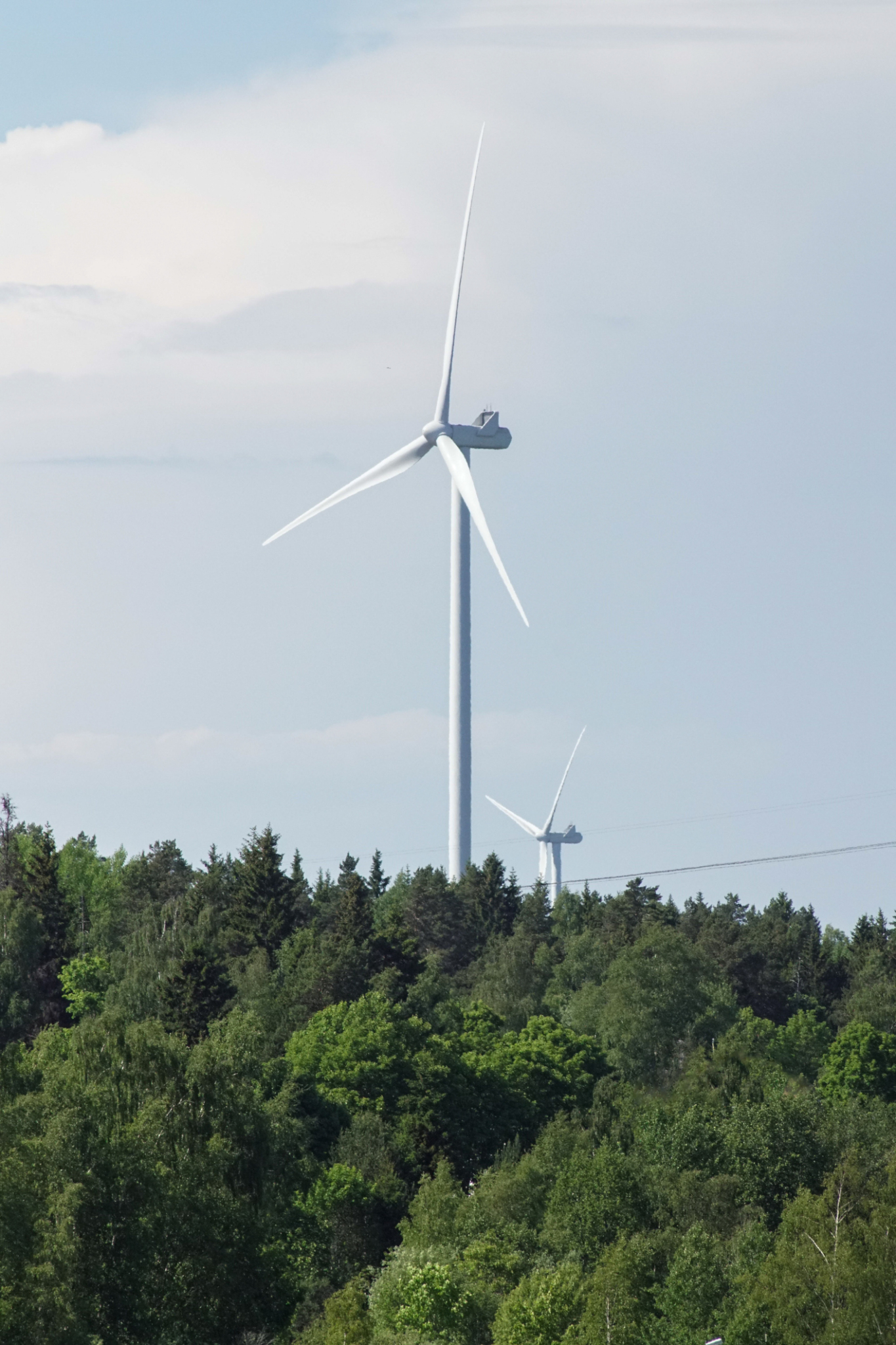
Gilderåsen Wind

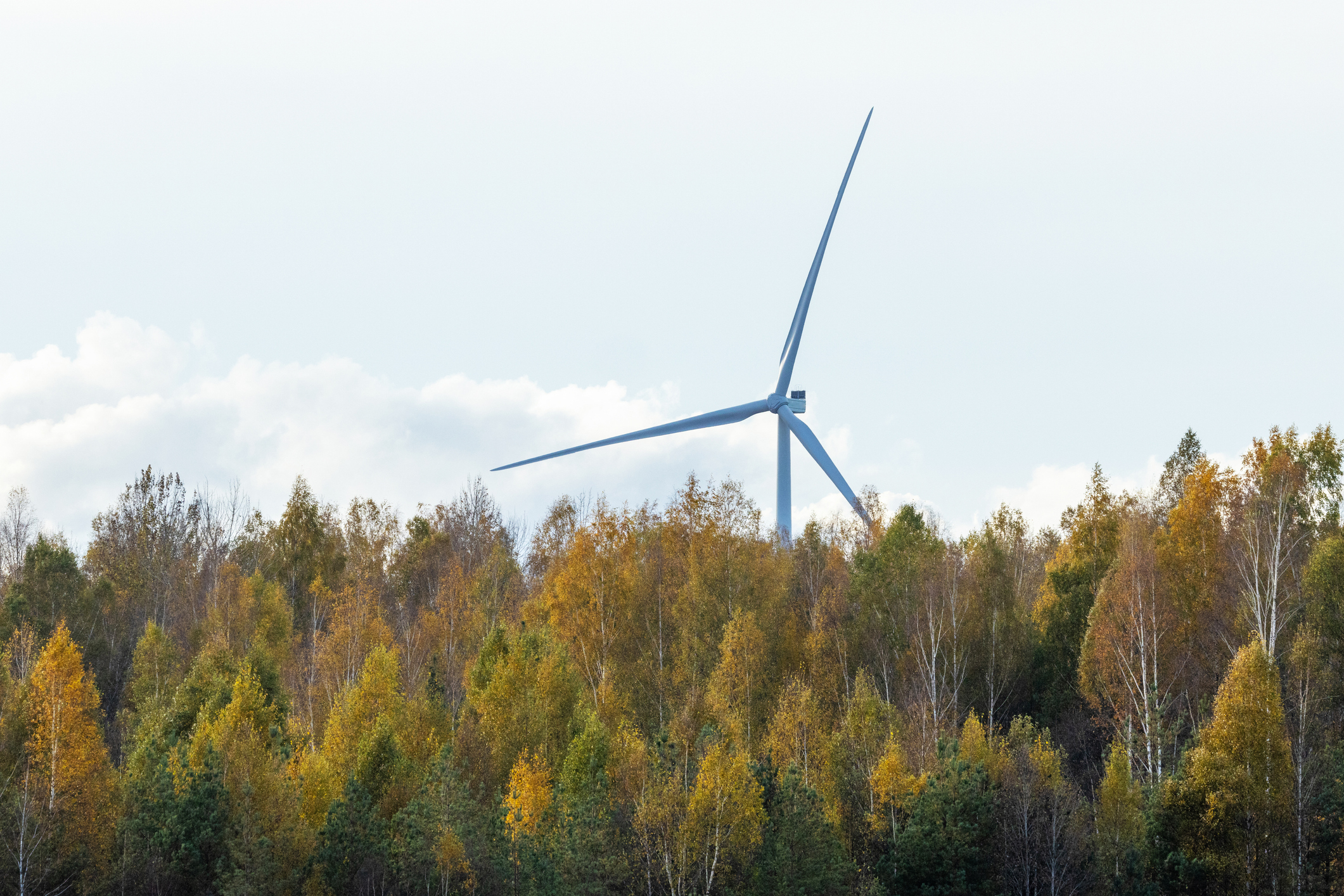
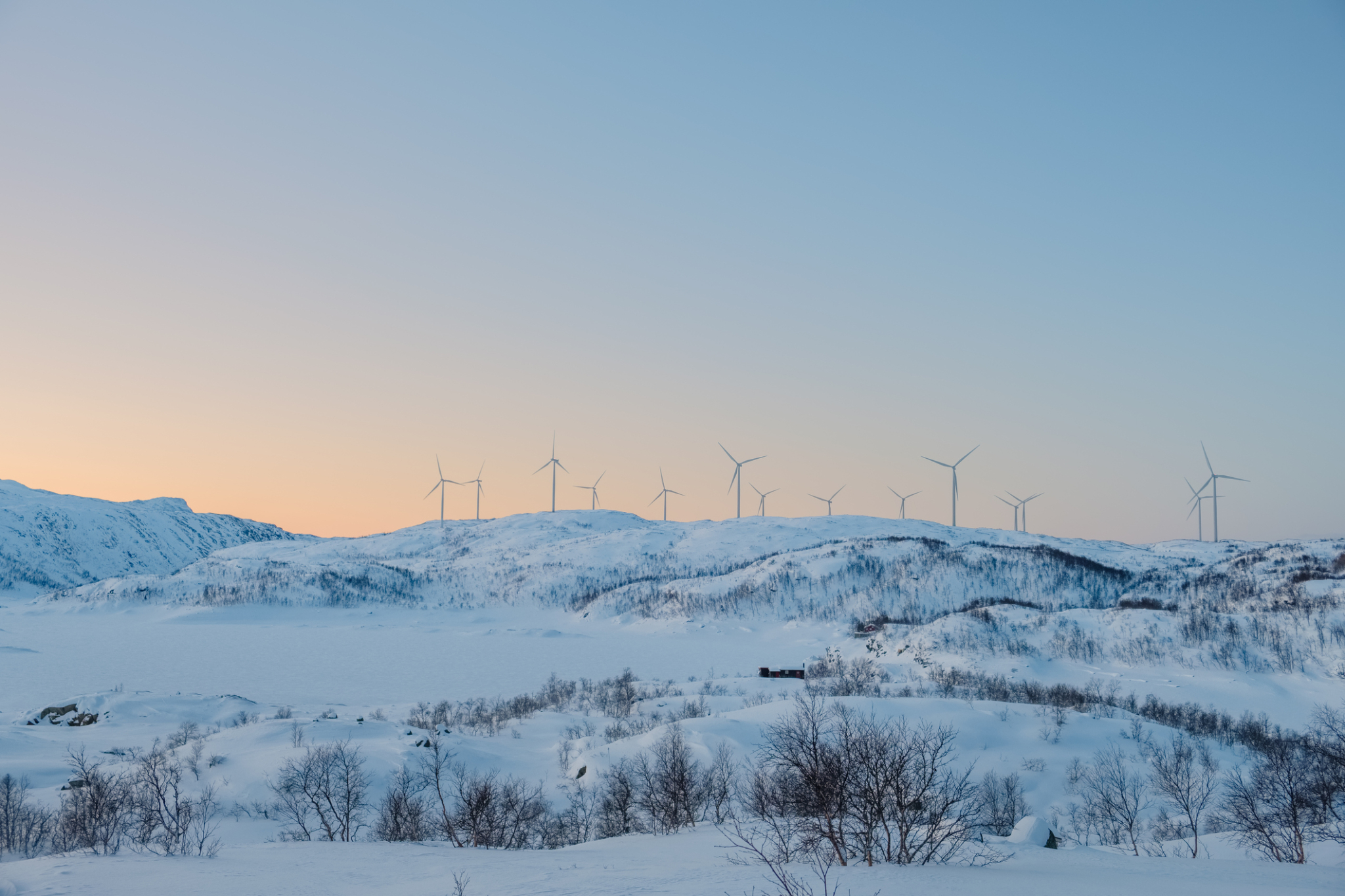
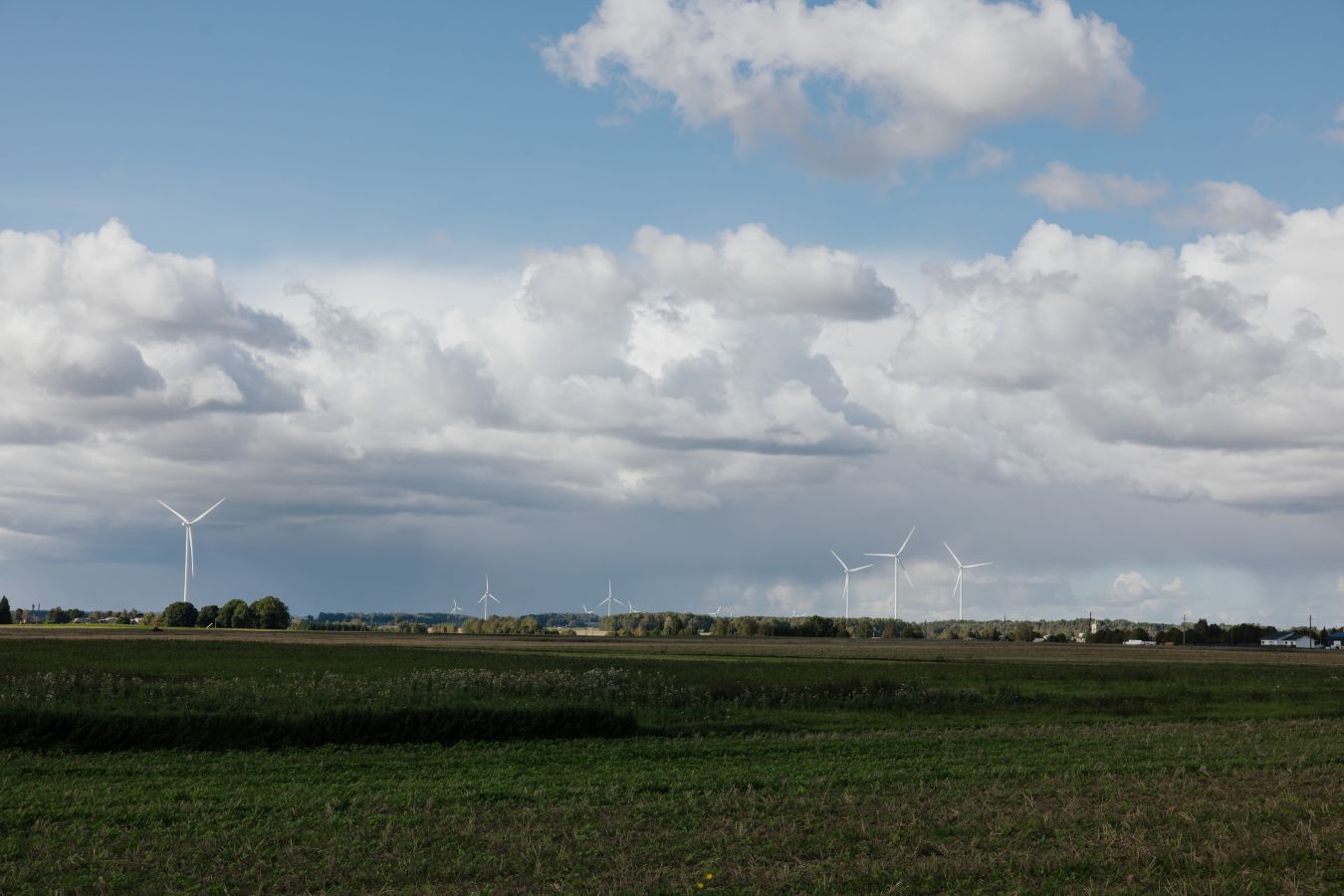
A planned wind power plant east of Elverum municipality. The project is planned with 8-12 turbines, with an installed capacity of up to 86.4 MW.

Location
Elverum Municipality
Status
Planning
Turbines
8-12
production
Ca 170 - 260 GWh
Installed capacity
57,6 - 86,4 MW
Height
Up to 270 m total height
Homes powered
17.000

Local Collaboration and Impact

The establishment of Gilderåsen Wind Power Plant can provide Elverum municipality with increased revenue through property tax and fees related to power production. This will strengthen the municipal economy and give the local community greater economic freedom.

The project’s purpose is to utilize the area’s good wind resources for renewable energy production.

Such development could promote business in the region. New power production combined with improved power grid will create more favorable conditions for new establishments in industry and more local jobs.

In addition, such a project could generate positive economic effects in the area both during the construction phase and during operation, including by using local and regional companies as suppliers of goods and services, as well as through employment in connection with the operation and maintenance of the facility.

Preliminary plans show the possibility of up to 8-12 turbines, but the final number will be determined later in the process. During the planning phase, the framework for where the wind power plant can be built and which areas can be used is established. The final size of the development and technical details are determined first in the concession phase, when the project is to be assessed and approved by the municipality.

Project timeline

2024

Project concept and land-owner agreements.

The project is being established in consultation with the landowner.

2025

Submission of planning initiative

Municipal processing and open office day

Current phase

2026

Planning and assessment programme

Planning and assessment programme established

Including hearing / public meetings.

2026 - 2027

Area plan and environmental impact assessment

environmental impact assessment developed in accordance with applicable guidelines

2028

License application

2028

Political consideration of area plan

2029

Licence processing

Licence processing by authorities; if needed, appeals processing.

2029

Complaint handling, if applicable

2029-2030

Contracting and project planning

Detailed design

2030

Construction phase

2031

Operation begins

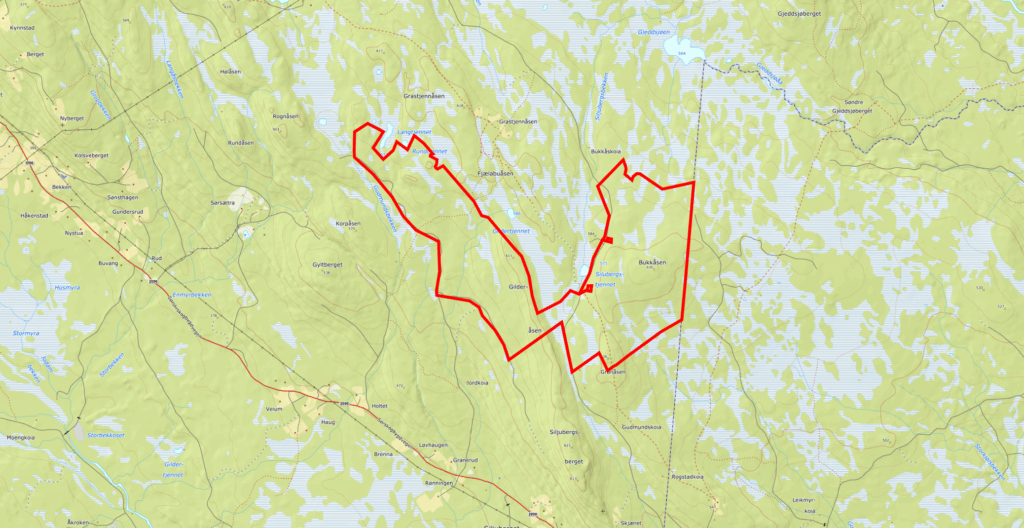
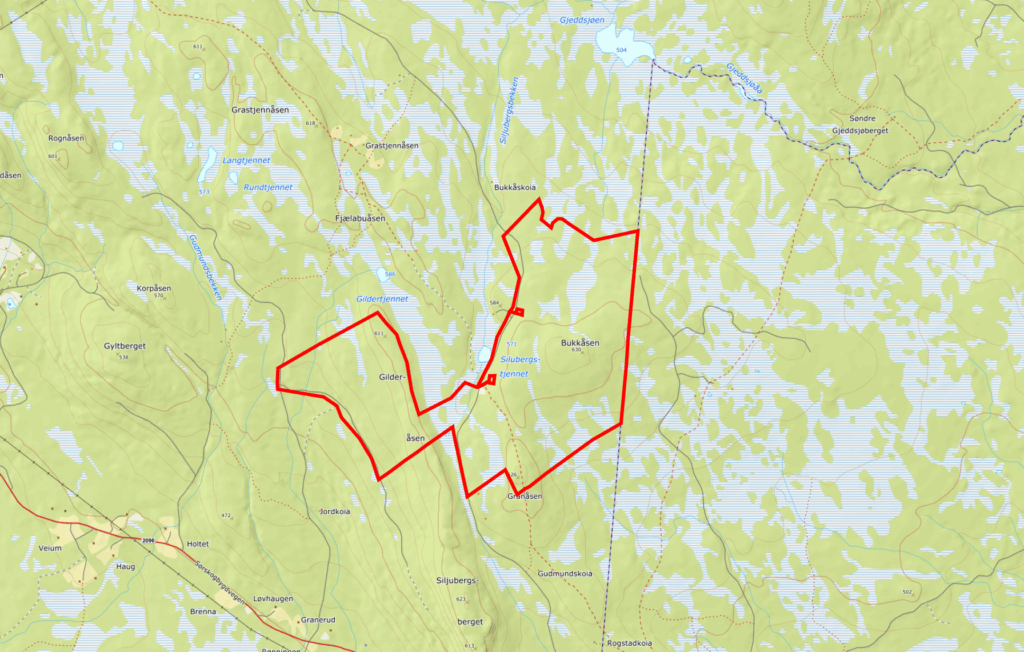
Project boundary alternatives
Planområde alternativ 1
Planområde alternativ 2

Parika Wind

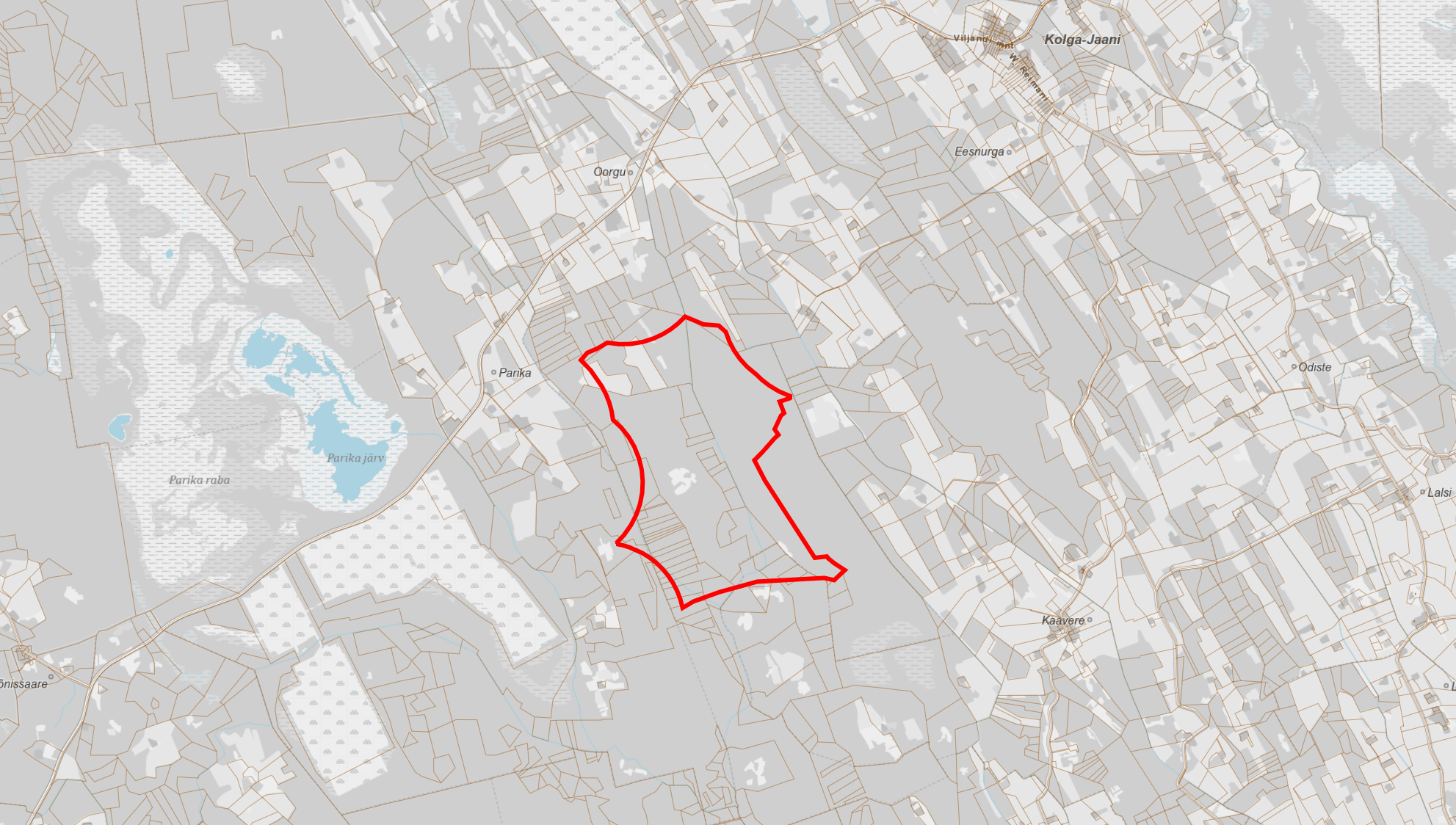
Parika Wind Farm is a planned wind farm in Viljandi Parish, next to Parika village.

Status
In the planning stage
Location
Between Parika village and Oorgu village, Viljandi Municipality
Turbines
Up to 12
Production
Ca 205 GWh/a
Height of wind turbines
Up to 250 m
Woman wearing white cap sits on the field at sunset. Wind turbines in the background

Local Collaboration and Impact

Direct financial benefit to residents
Residents living within 2–3 kilometres of the wind park will receive direct financial compensation. For turbines planned within the Parika Wind area, compensation is offered to households located within 2 kilometres of a turbine. The compensation amount depends on the park’s annual production and the electricity price (estimated at 0.7–1% of revenues).

Infrastructure development
Construction of the wind park will include improvements to local infrastructure – such as new and upgraded access roads, crossings, and utility connections – enhancing connectivity and safety in the area.

Support for local business and economy
Locally produced green electricity will strengthen the future competitiveness of energy-intensive sectors such as wood processing, forestry, and agriculture by providing access to clean energy.
The project will stimulate local economic activity, generate tax revenue, and create new job opportunities during construction and operation.

Read about local communities

Project Contact

Võhma Wind

The Võhma wind farm is a planned wind farm in Türi municipality, next to the village of Võhma.

Status
In the planning stage
Location
Next to Võhma town
Height of wind turbines
250 m
Number of wind turbines
up to 3
Expected total production
Ca 51 GWh

Project Timeline

Year 1

Mapping

Suitable land areas and contacting landowners

Current phase

Year 1

Analysis

Further assessment of the wind farm location.

Year 2.

Initiate

Start the special planning process with the local municipality.

Year 2.

Environmental Impact Assessment

Commence the evaluation of environmental impacts.

Year 3.

Public Discussions

Hold initial public hearings and consultations.

Avala arvamust!

Year 3.

Refinement

Finalise planning following public discussions and impact assessments.

Year 4.

Plan Approval

Official adoption of the planning decision

Year 4.

Construction Begins

Wind farm construction starts and is expected to take 1–2 years.

Unakvere Wind

Unakvere Wind Farm is a wind farm planned in Põhja-Sakala and Viljandi municipalities, next to Unakvere village.

Status
In the planning stage
Location
Next to Unakvere village, Viljandi municipality.
Height of wind turbines
250 m
Number of wind turbines
Up to 12
Expected total production

Ca 205 GWh/a

Project Timeline

Year 1

Mapping

Suitable land areas and contacting landowners

Current phase

Year 1

Analysis

Further assessment of the wind farm location.

Year 2.

Initiate

Start the special planning process with the local municipality.

Year 2.

Environmental Impact Assessment

Commence the evaluation of environmental impacts.

Year 3.

Public Discussions

Hold initial public hearings and consultations.

Avala arvamust!

Year 3.

Refinement

Finalise planning following public discussions and impact assessments.

Year 4.

Plan Approval

Official adoption of the planning decision

Year 4.

Construction Begins

Wind farm construction starts and is expected to take 1–2 years.

Nupberget Wind

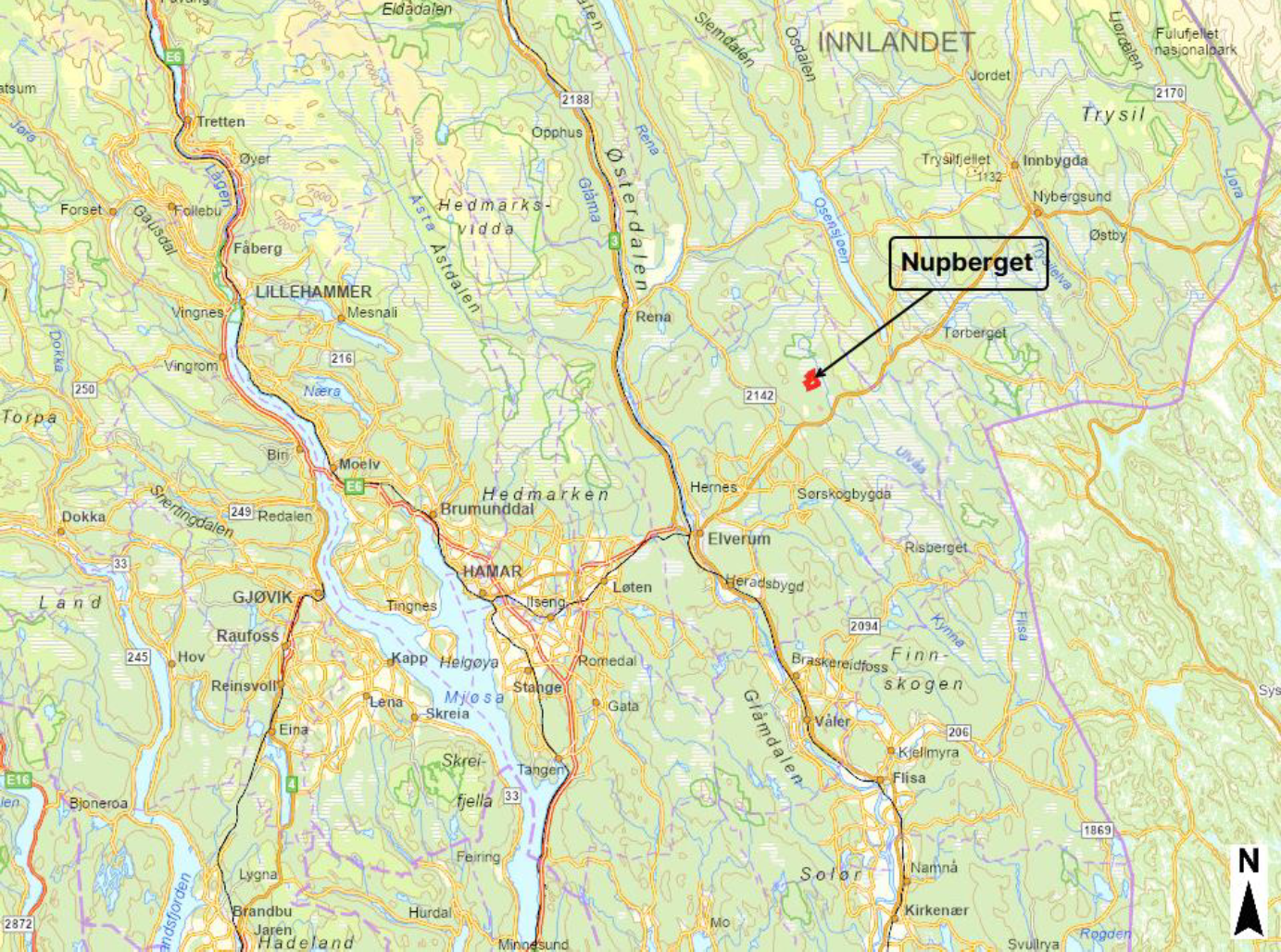
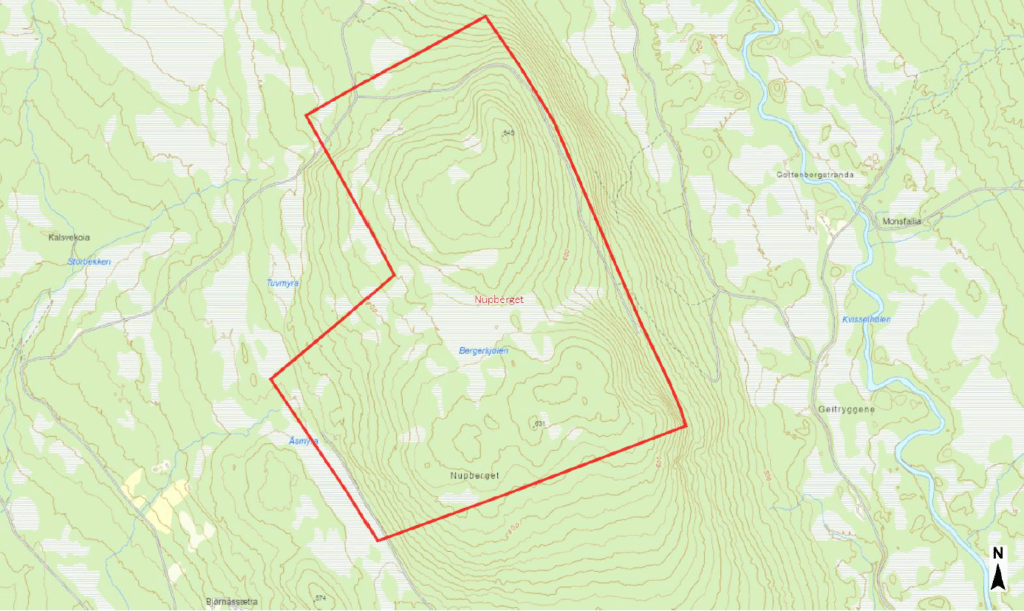
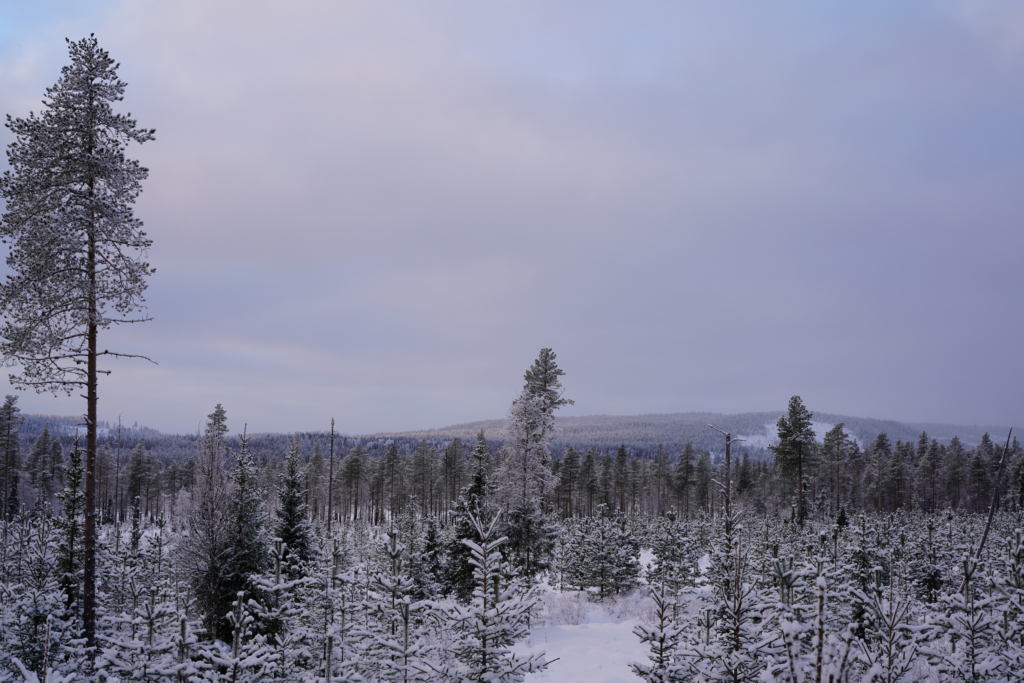
Nupberget wind power plant is planned in Elverum municipality. The area is located on Nupberget, a prominent ridge northeast of Elverum town center, between Glomma and Osensjøen. The project consists of seven wind turbines with a total installed capacity of up to 50 MW, and an expected annual production of approximately 160 GWh.

Location
Elverum Municipality
Status
Under development
Turbines
7
Production
Ca 160 GWh
Installed capacity
Up to 50 MW
Height
Up to 270 m total height

Local Collaboration and Impact

The establishment of Nupberget wind power plant will provide Elverum municipality with increased revenue in the form of property tax from the power plant and production tax. This will strengthen the municipality’s economy and contribute to more flexibility in the local community.
The goal of the project is to utilize the good potential for energy production in the area. Nupberget is located in an area with stable and good wind conditions and little development nearby.
The development will also facilitate local business development. New power production and upgrading of existing grid provide better conditions for establishing new industry and jobs in the region.

In addition, the project will create local ripple effects both during construction and operation, through purchases of goods and services from local and regional suppliers, as well as jobs related to operation and maintenance.

Project area

Project timeline

2024

Project concept and land-owner agreements.

The project is being established in consultation with the landowner.

2025

Submission of planning initiative

Municipal processing and open office day

Current phase

2026

Planning and assessment programme

Planning and assessment programme established

Including hearing / public meetings.

2026 - 2027

Area plan and environmental impact assessment

environmental impact assessment developed in accordance with applicable guidelines

2028

License application

2028

Political consideration of area plan

2029

Licence processing

Licence processing by authorities; if needed, appeals processing.

2029

Complaint handling, if applicable

2029-2030

Contracting and project planning

Detailed design

2030

Construction phase

2031

Operation begins

Images

Vidzeme Wind

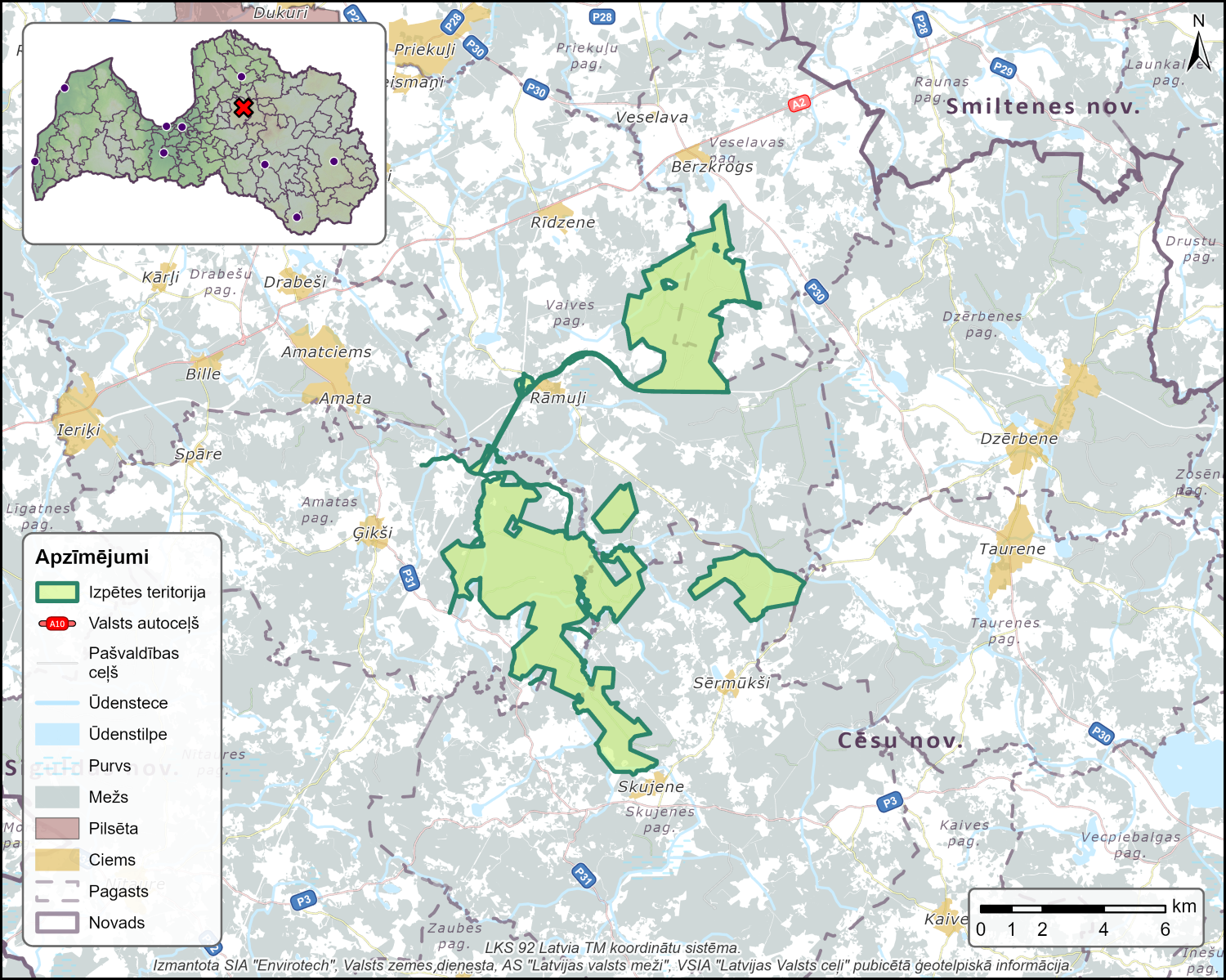
The planned Vidzeme wind farm is located in Amata Parish and Vaive Parish in Cēsis Municipality. It is planned to be a renewable energy power plant with up to 43 wind turbines, with a total capacity of 309.6 MW (each station has a nominal capacity of ~7.2 MW).

Status
Research stage
Location
Amatas Parish and Vaives Parish in Cēsis Municipality
Production
515 GWh
Turbines
23

Why Vidzeme Wind Farm?

Vidzeme Wind Farm in Amata Parish and Vaive Parish in Cēsis Municipality is a renewable energy power plant under construction. It is planned to build up to 43 wind turbines with a total capacity of 309.6 MW (the nominal capacity of each station is ~7.2 MW).

The Amata and Vaive parishes are suitable for the production of renewable electricity using wind resources. Local natural conditions meet the basic requirements for the creation of a wind farm, there are opportunities to connect to the high-voltage power grid, and there are no significant national security restrictions that could delay the project. These conditions create favorable preconditions for the development of the Vidzeme wind farm, which will provide additional income for the local community, improve infrastructure and the environment, and create new business opportunities.
Benefits for local communities

Local residents will benefit from mandatory payments stipulated by law for community development – €2,500 per year for each megawatt (MW) installed.
Up to 90% of this amount may go to residents living less than 2 kilometers from the wind farm. The remainder will be at the disposal of the municipality to decide on support for local residents.

For households, this will mean additional income of approximately 1-3 minimum monthly wages. The support will be available for 30 years.

In addition, improvements to local infrastructure are also planned, particularly road repairs.

During the project, Vindr also plans additional support activities to improve the social infrastructure in the parish affected by the construction of the wind farm.
Project timeline

2024

Projekta iespējamības izpēte

Apbūves tiesību reģistrēšana

2.gads

Apstiprināšana un apspriešana

IVN (Ietekmes uz vidi novērtējuma) ierosināšana un izstrāde -> Lokālplānojuma ierosināšana

Current phase

3.gads

Saskaņošana

IVN publiskā apspriešana -> Lokālplānojuma un publiskā apspriešana -> IVN apstiprināšana -> Lokālplānojuma apstiprināšana

4.gads

Būvprojektēšana

Būvprojekta izstrāde vēja parkam un tā tuvumā esošajai infrastruktūrai

4-5.gads

Būvprojekta apstiprināšana

5-6.gads

Vēja ģeneratoru parka būvniecība

7.gads

Vēja ģeneratoru parka darbības uzsākšana

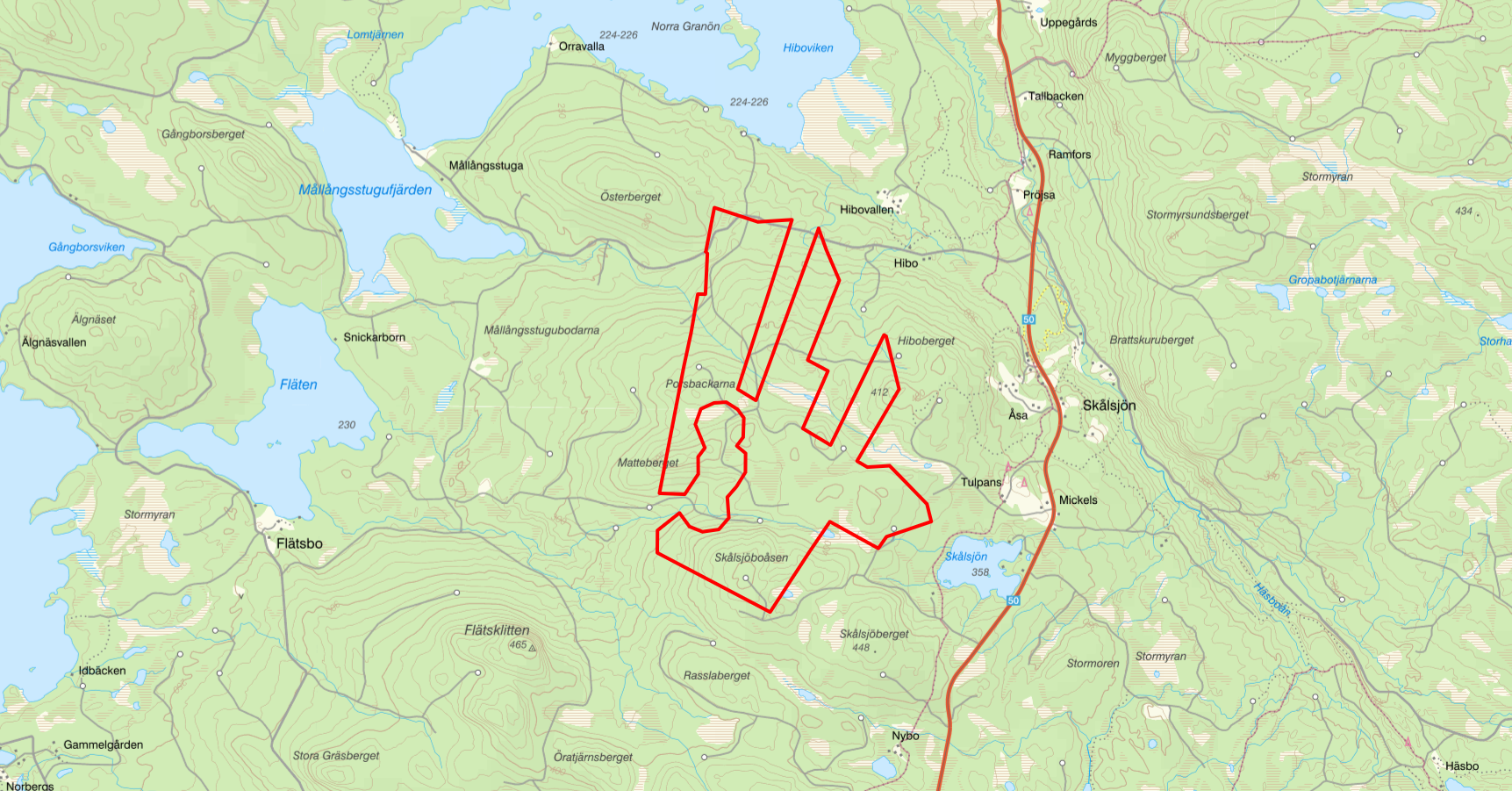
Rasslaberget

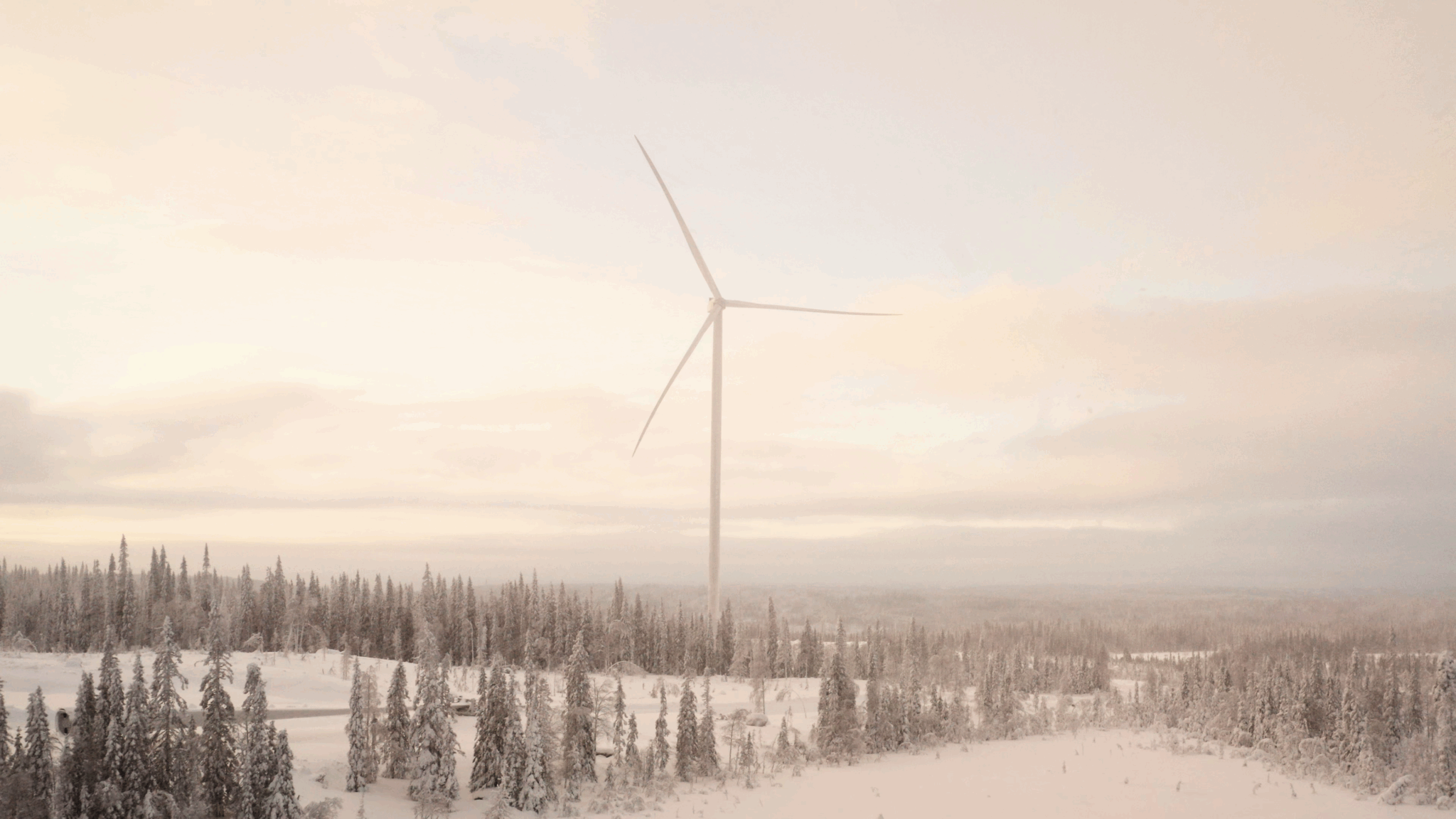
Renewable energy from Rasslaberget can support the development of Ovanåker Municipality while contributing to a more sustainable future for local residents, communities, and businesses.

Status
Project concept
Location
Ovanåker Municipality, Sweden
Turbines
16, with potential battery storage
Production
Ca 370 GWh per year
Additional information

Equivalent to the annual electricity consumption of around 18,000 homes

Local Collaboration and Impact

Sweden needs to expand renewable energy rapidly to enable the green transition, safeguard existing jobs, and attract new industries. Land-based wind and solar power are the fastest and most cost-effective solutions — developed without financial subsidies.

Local power production improves access to electricity and reduces dependency on the transmission grid, providing greater security and predictability for local businesses.

Beyond supporting industry, Rasslaberget Wind will also bring economic benefits to the municipality and surrounding communities. In line with the Swedish government’s “Value of Wind” proposal, municipalities may receive compensation equivalent to the property tax value of the wind turbines.

For a project with 16 turbines, this could amount to an average of SEK 3.2 million per year over the first decade – and up to SEK 65 million over 30 years.

In addition, local communities may receive between 0.25–0.5% of annual electricity revenues in the form of a community contribution, equal to roughly SEK 600,000–800,000 per year.

Residents living near the wind farm would also be entitled to compensation under the same proposal. The amount depends on the distance to the two nearest turbines:

  • Within ~1,000 m: around SEK 25,000 per year

  • Within ~1,500 m: around SEK 19,000 per year

  • Within ~2,000 m: around SEK 12,000 per year

Each household may receive compensation for up to two turbines.

Project Contact

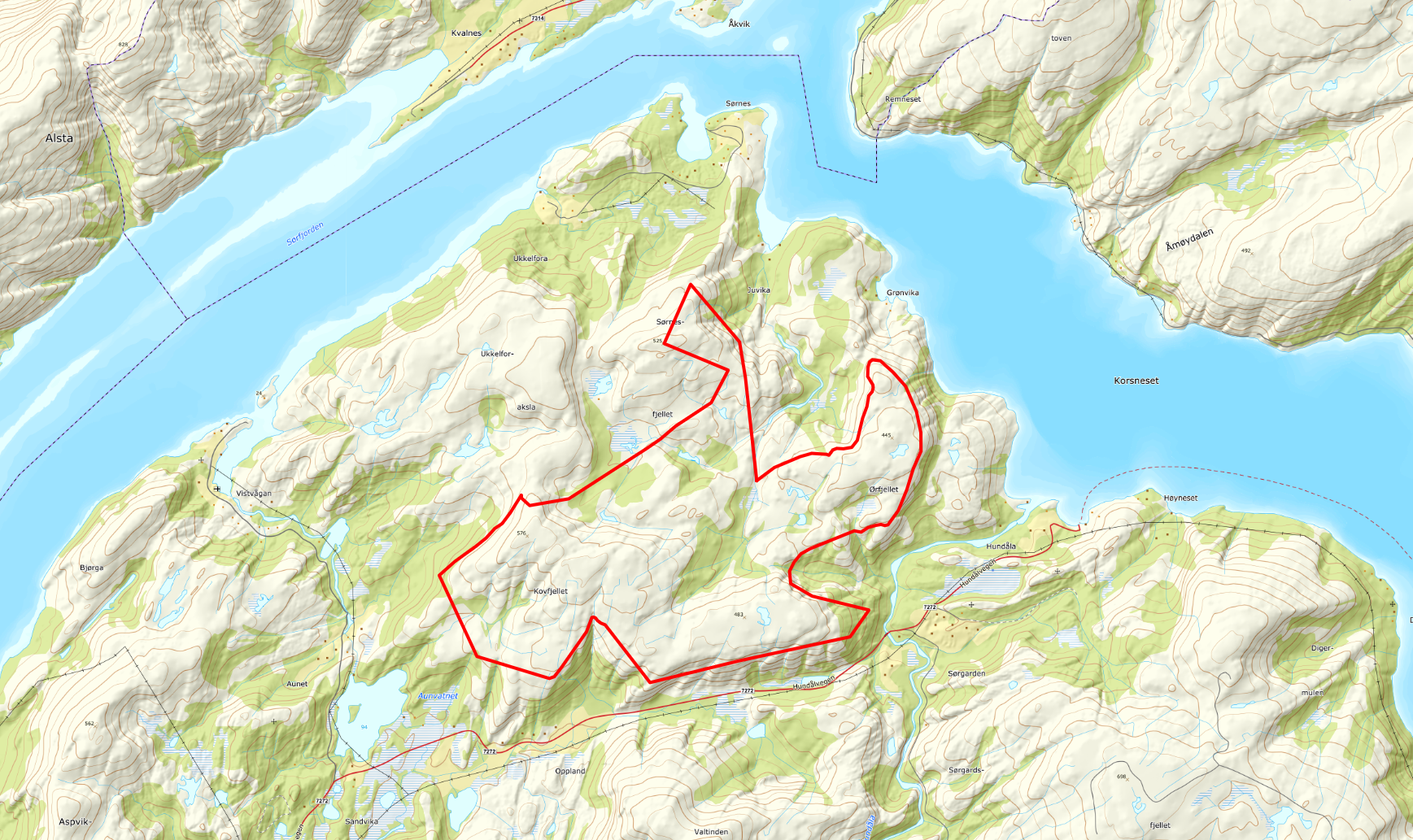
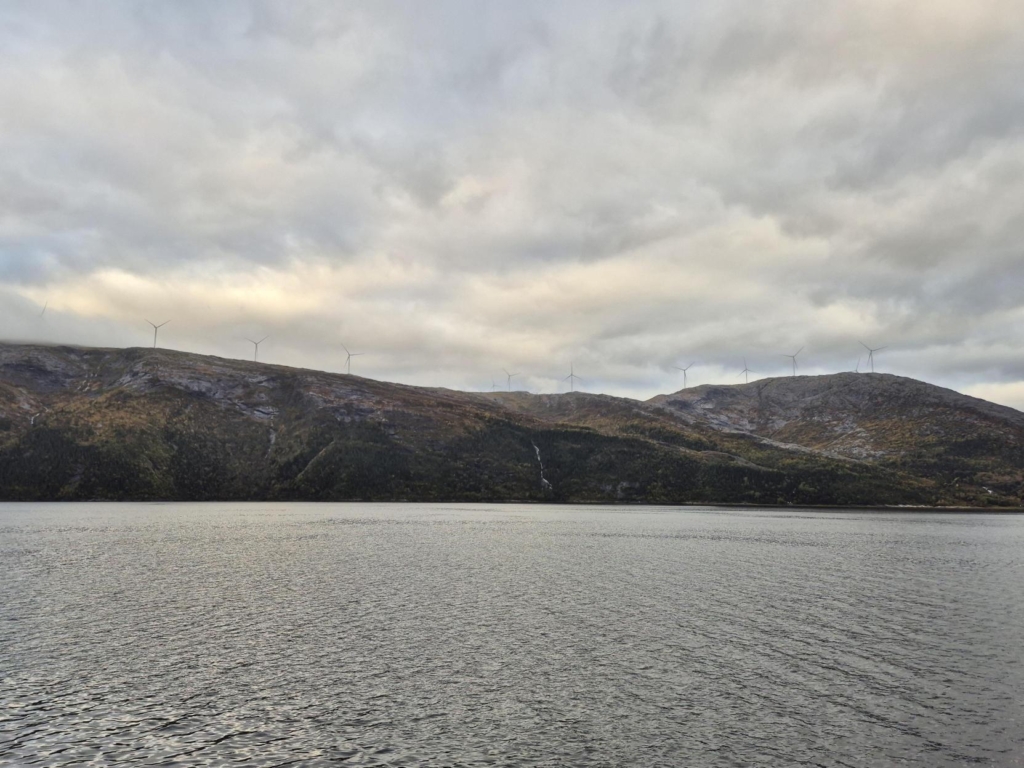
Kovfjellet Wind

Status
Under development
Location
Vefsn Municipality, Norway
Turbines
25
Production
Ca 600 GWh per year
Installed capacity
Up to 180 MW
Turbine height
Up to 270 metres total height
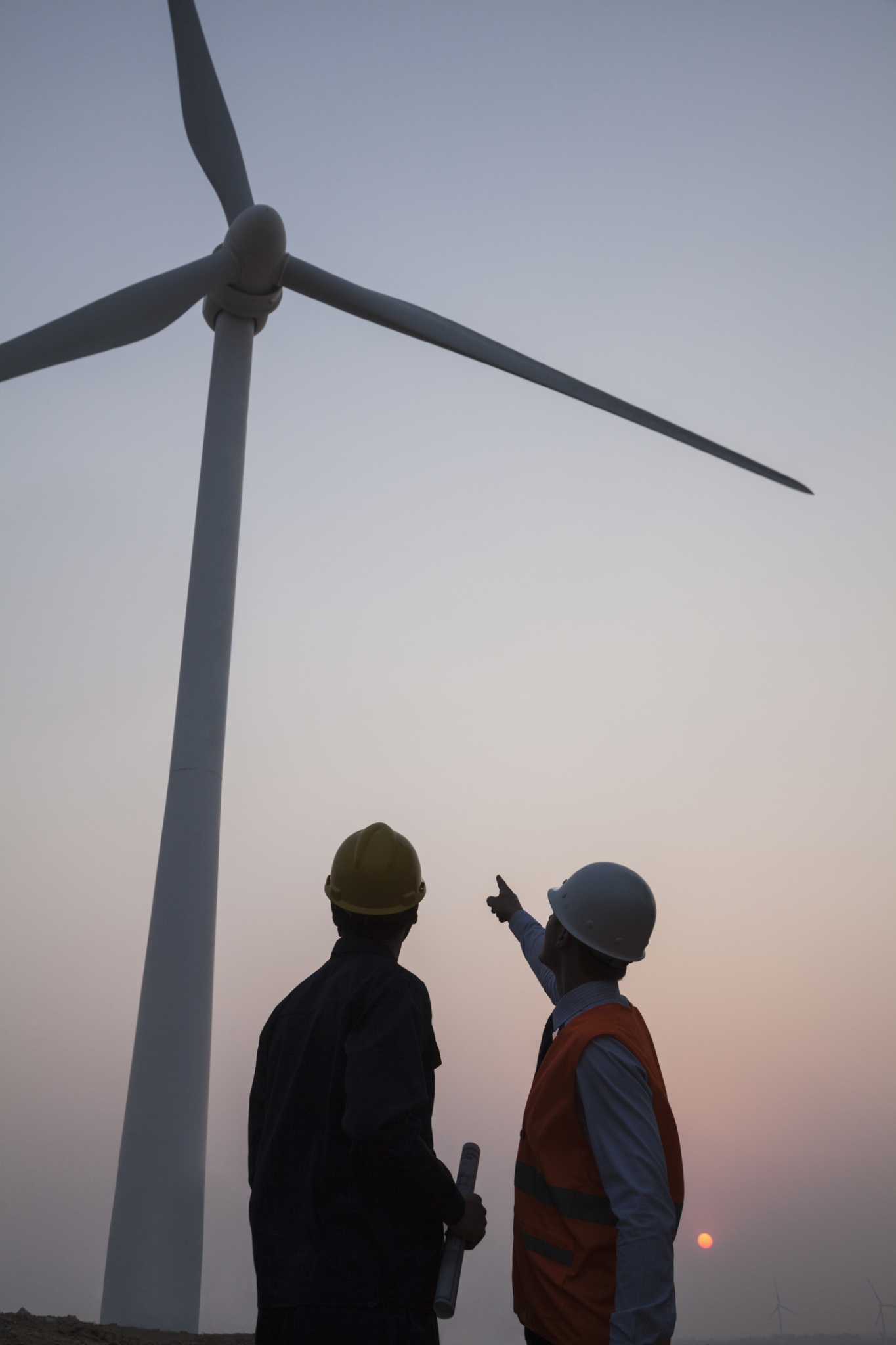
Two young male engineers standing beside a wind turbine at sunset, pointing up

Local Collaboration and Impact

For Vefsn Municipality, the wind farm will generate increased income through property tax and a share of the resource rent tax.

Based on an estimated production of 600 GWh and up to 180 MW installed capacity, and assuming a property tax rate of 7‰, the annual contribution is estimated at around NOK 25 million.

Upgrading the local grid alongside new renewable generation from Kovfjellet Wind will also help enable new industrial opportunities in the region.

The project is expected to create local ripple effects during construction and operation — through the purchase of local and regional goods and services, as well as employment of local personnel for operation and maintenance.

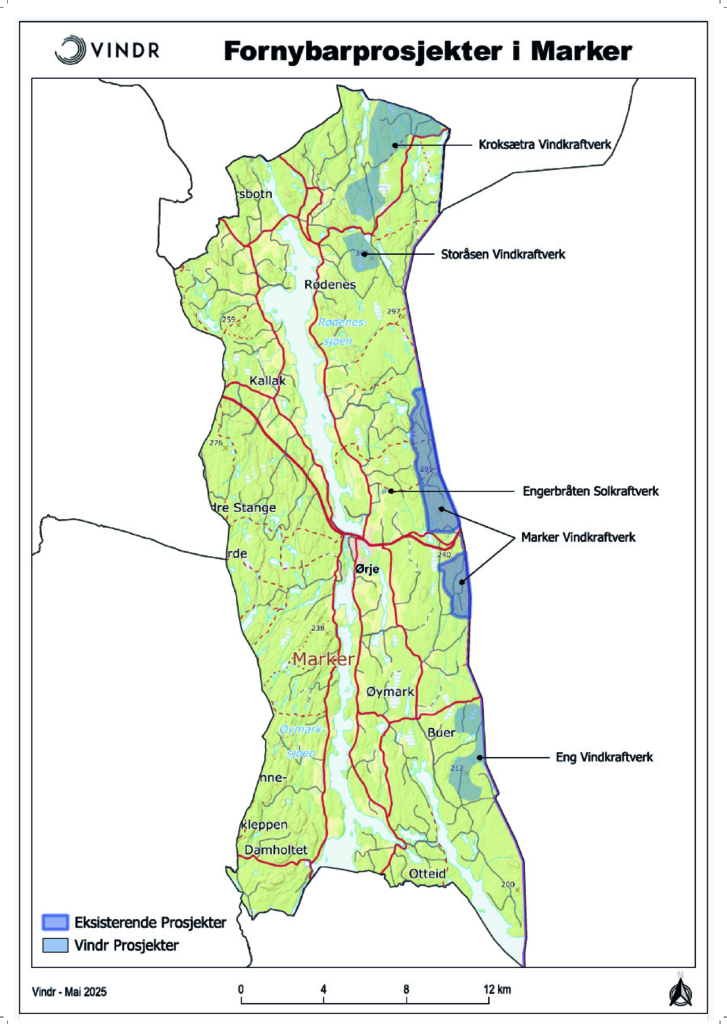
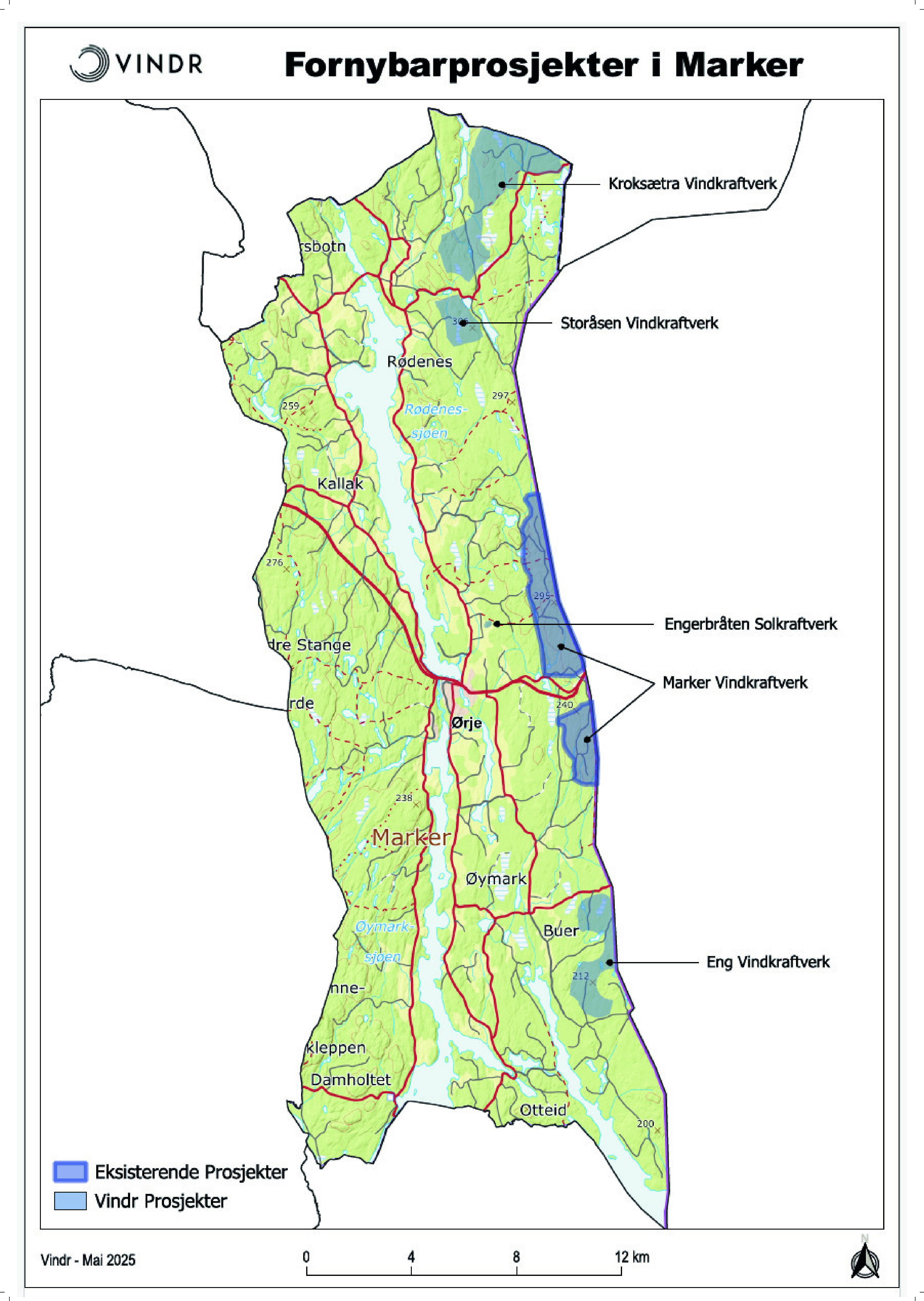
Renewable Projects in Marker

The projects in Marker can contribute approximately 790 GWh of green energy, meet the region’s power demand and facilitate industrial jobs.

Location
Marker Municipality
Status
Early phase: planning
Turbines
20-35
Solar panels
Ca 4600
Production
Ca 790 GWh
Effect
Up to 220 MW
Turbine height
Up to 270 m total height
Woman wearing white cap sits on the field at sunset. Wind turbines in the background

Local contribution

The proposed wind projects in Marker municipality will provide the municipality with increased revenue via property tax and production fees, as well as a share of the resource rent tax.

Assuming production of 790 GWh and a property tax rate of 0.7 %, it is estimated to generate an annual contribution of between NOK 20 and 30 million.

The solar plant at Engerbråten will consist of 4,608 solar panels and produce 3 GWh per year – enough to supply around 200 households.

Establishing new or upgrading existing grids, combined with new power production from wind- and solar-plants, offers opportunities for new industrial establishment in the region. The projects will also generate local economic ripple-effects during construction and in ongoing operations, through purchase of goods and services regionally and local employment.

Project timeline

2025

Project idea and landowner agreements

The project is being established in consultation with the landowner.

Current phase

2026

Planning and investigation programmes

Local meetings

2026 - 2027

Area plan and environmental impact assessment prepared based on applicable guidelines

Prepared in accordance with current guidelines

2028

Konsesjonssøknad

2028

Political processing of area plans

Licence application

2029

Political processing of area plans

Licence processing by authorities; Possible complaint processing 2029-2031

2029

Complaint handling, if applicable

2029-2031

Contracting and project planning 

2031 – 2032

Construction

2032

Operation

Map

Bukkåsen Wind

A planned wind farm east of Bukkåsen in Våler. The project includes up to 15 turbines with a total capacity of up to 110 MW, equivalent to the electricity consumption of more than 18,000 households.

Location
Bukkåsen, Våler municipality
Status
Early phase, planning
Turbines
15
Production
Ca 300 GWh
Effect
Up to 110 MW
Homes powered
18,000 homes

Local contribution

The wind farm will generate clear local benefits during both the construction and operational phases. During construction, significant activity will be created, with demand for labour as well as goods and services from local businesses. Once in operation, the wind farm will require around two full-time positions for operation and maintenance, in addition to ongoing demand for local goods and services.

Landowners will see increased returns from their outfield areas, while the development will also improve the forest road network, strengthening both forestry operations and access for outdoor recreation.

For the municipality, the wind farm will provide stable income through production fees and property tax. These funds can be used freely and come in addition to other state transfers. A portion of the production fee is also allocated to local initiatives, such as nature and environmental measures in the area.

In the longer term, access to local, renewable power can make the municipality more attractive for energy-intensive businesses looking to establish themselves, contributing to further employment and value creation.

Project timeline

2025

Project idea and landowner agreements

The project is being established in consultation with the landowner

Current phase

2026

Planning and assessment program

Including hearing / public meetings

2026 - 2027

Area plan and impact assessment

Area plan and environmental impact assessment developed in accordance with applicable guidelines

2028

License application

2028

Political consideration of area plan

2029

License processing

Authorities assess application and reject or approve project

2029

Complaint handling, if applicable

2029-2031

Contracting and project planning

Detailed design

2031 – 2032

Construction phase

2032

Operation begins

Images

This site is registered on wpml.org as a development site. Switch to a production site key to remove this banner.