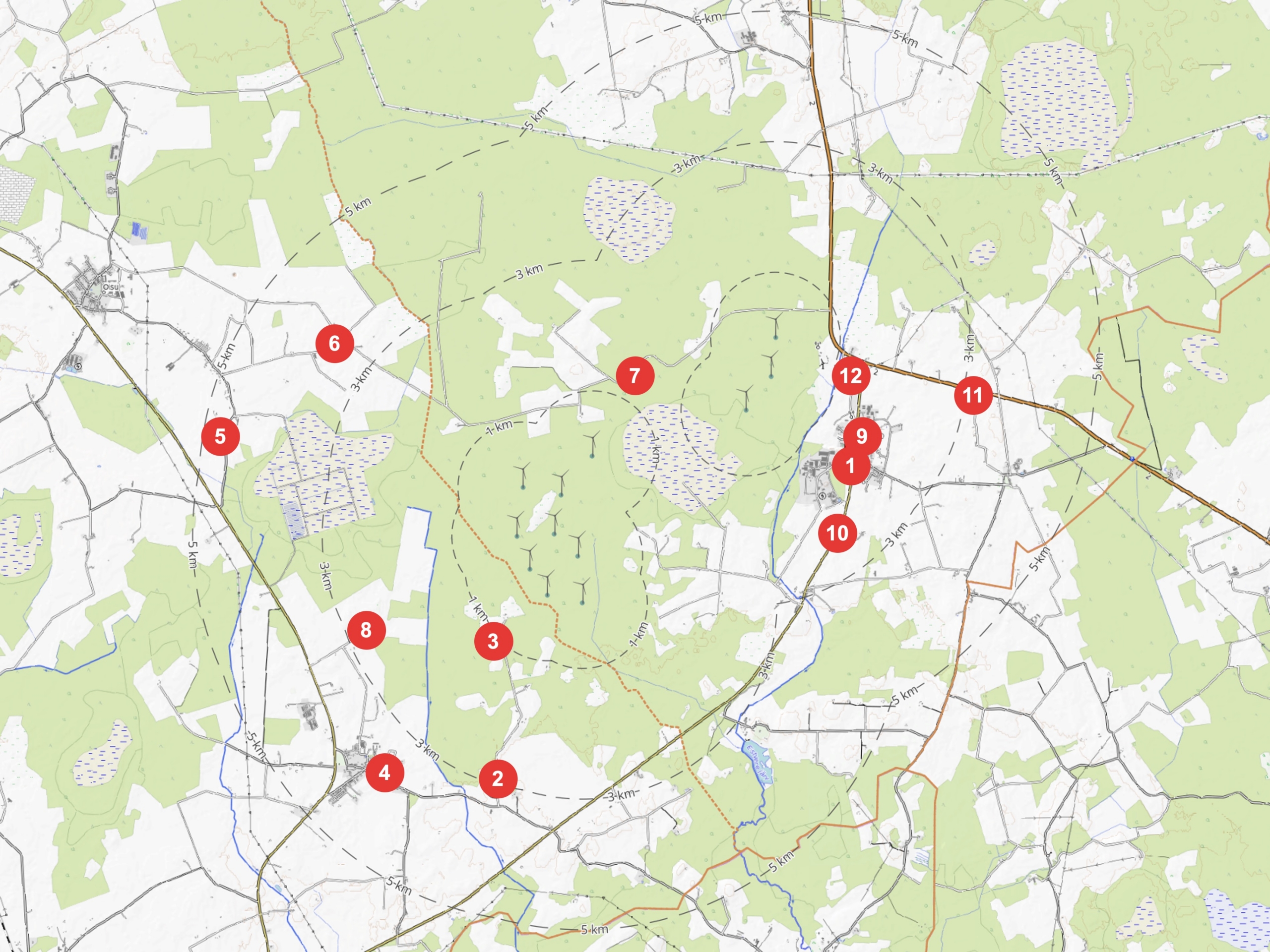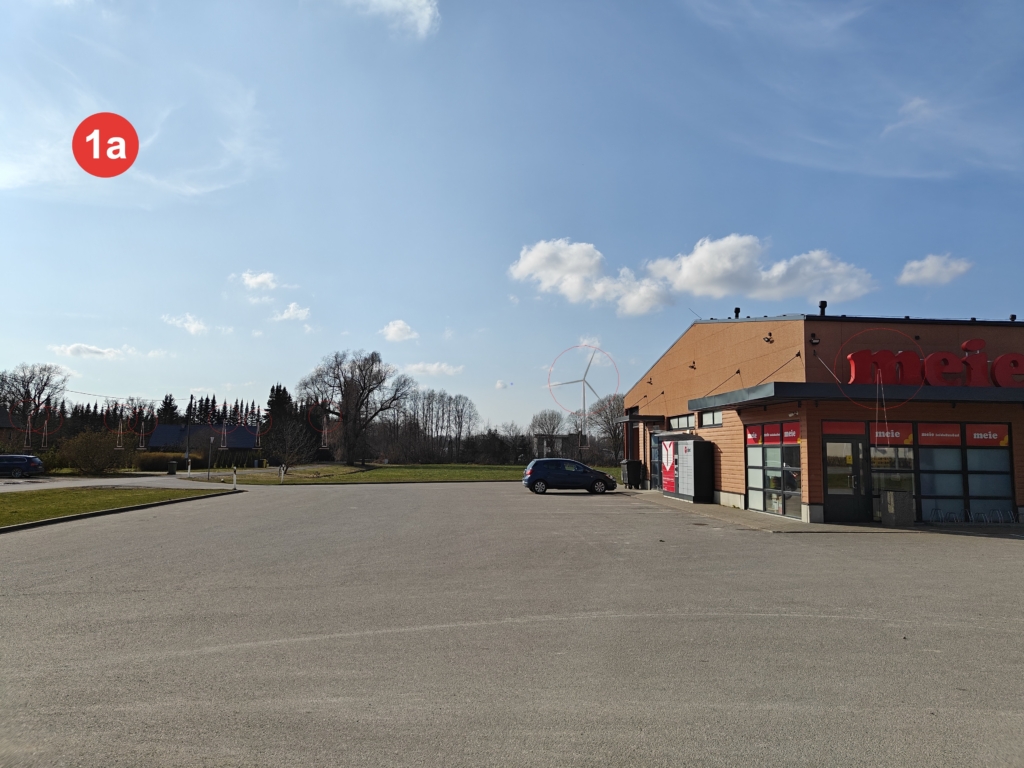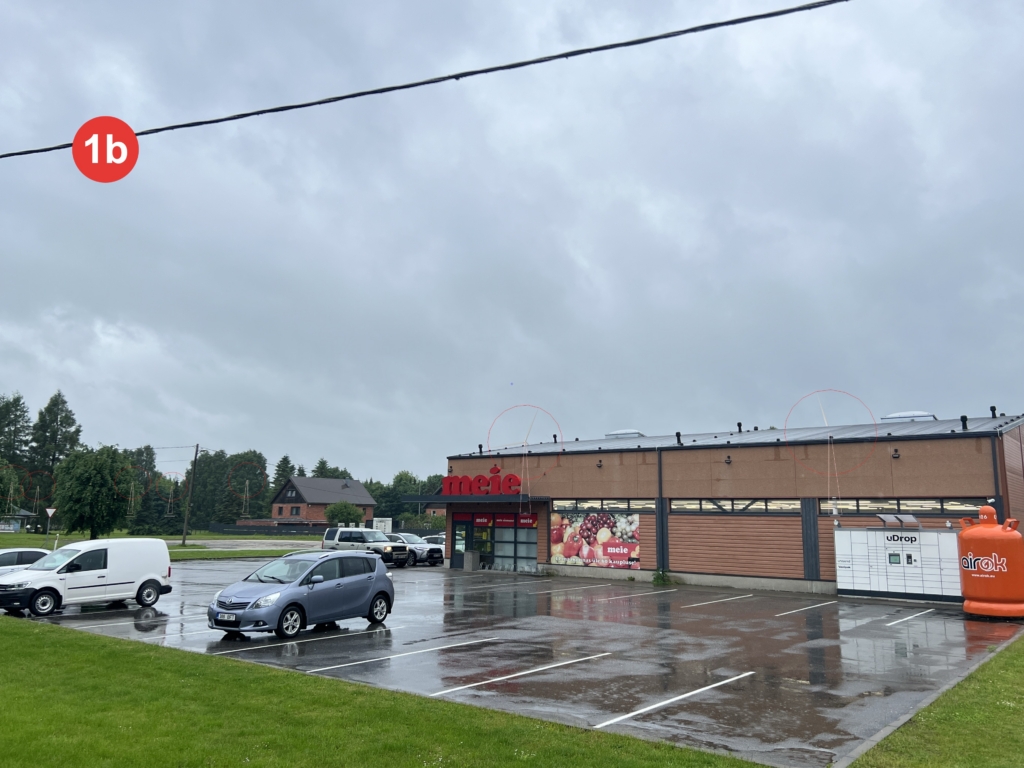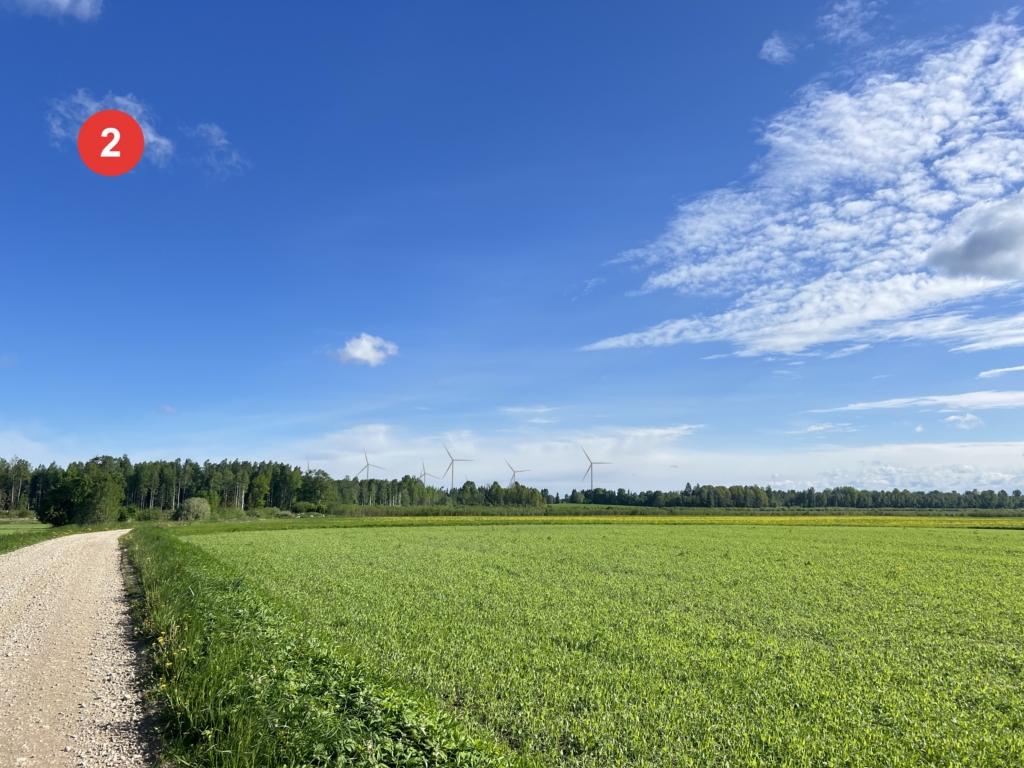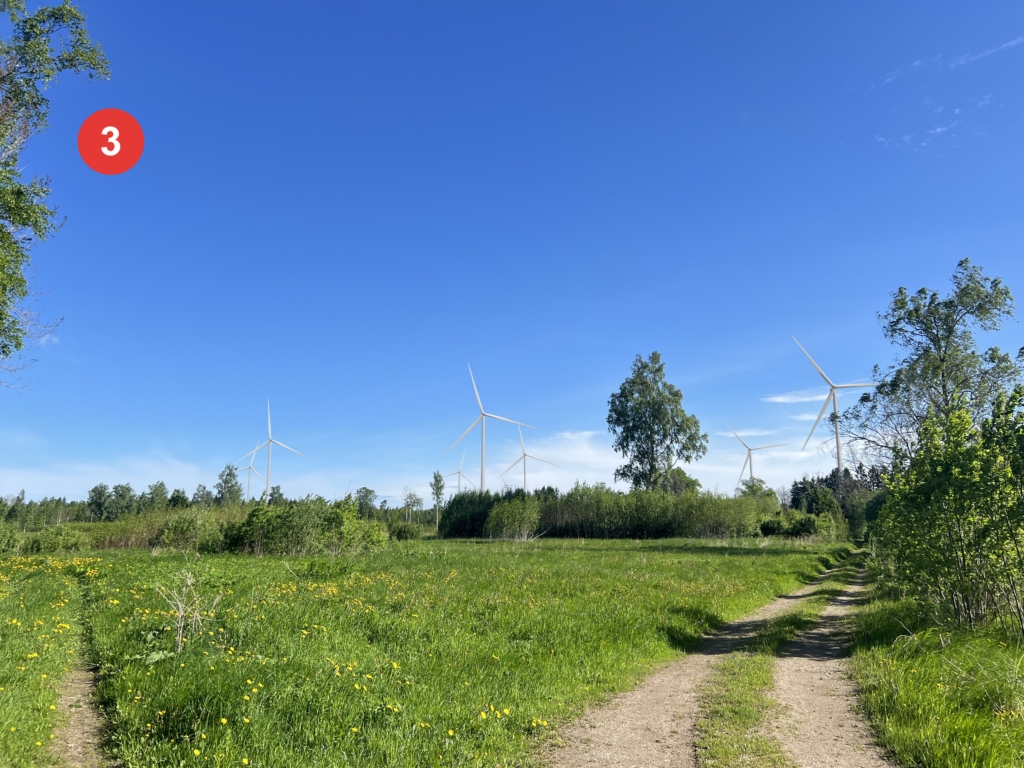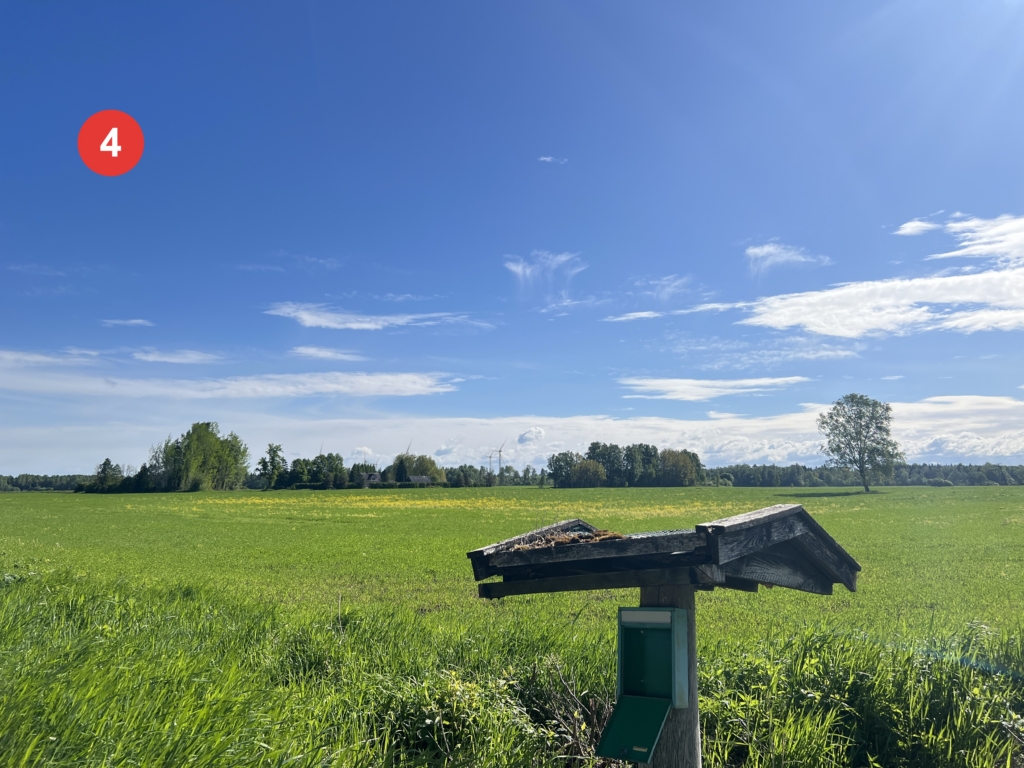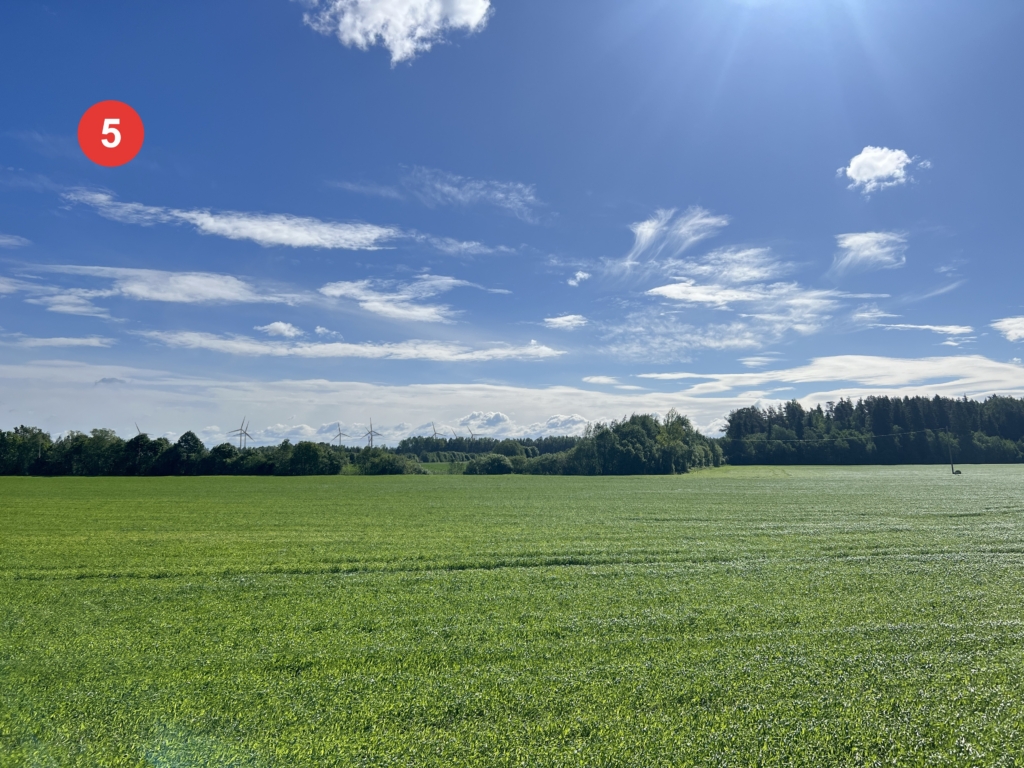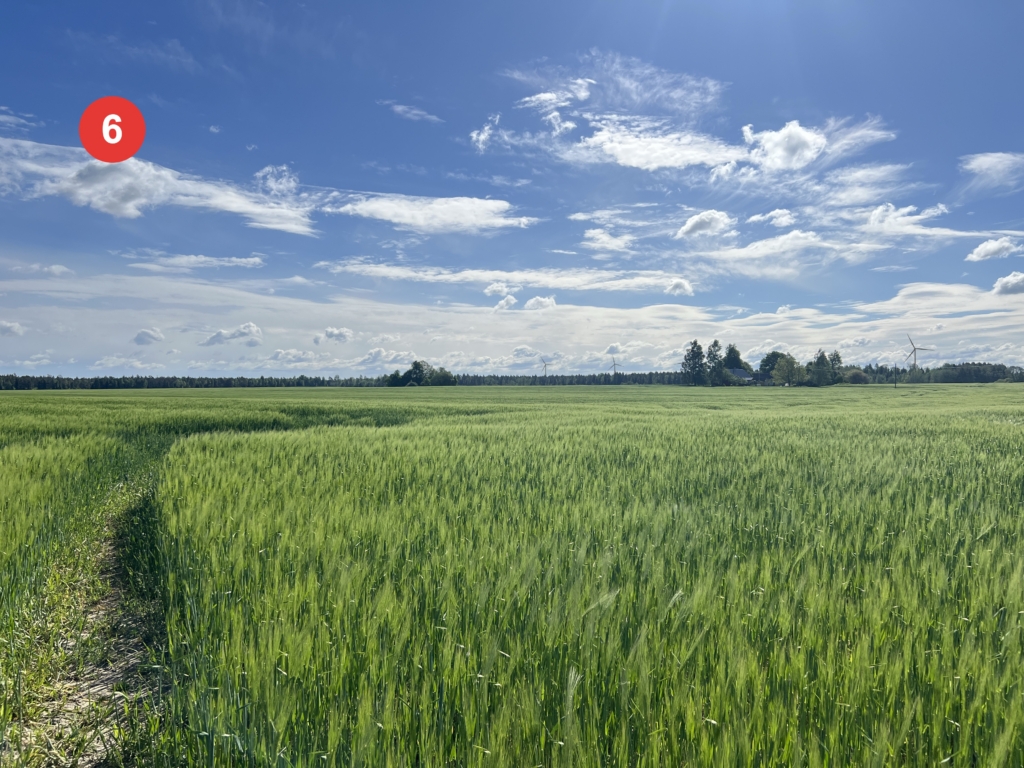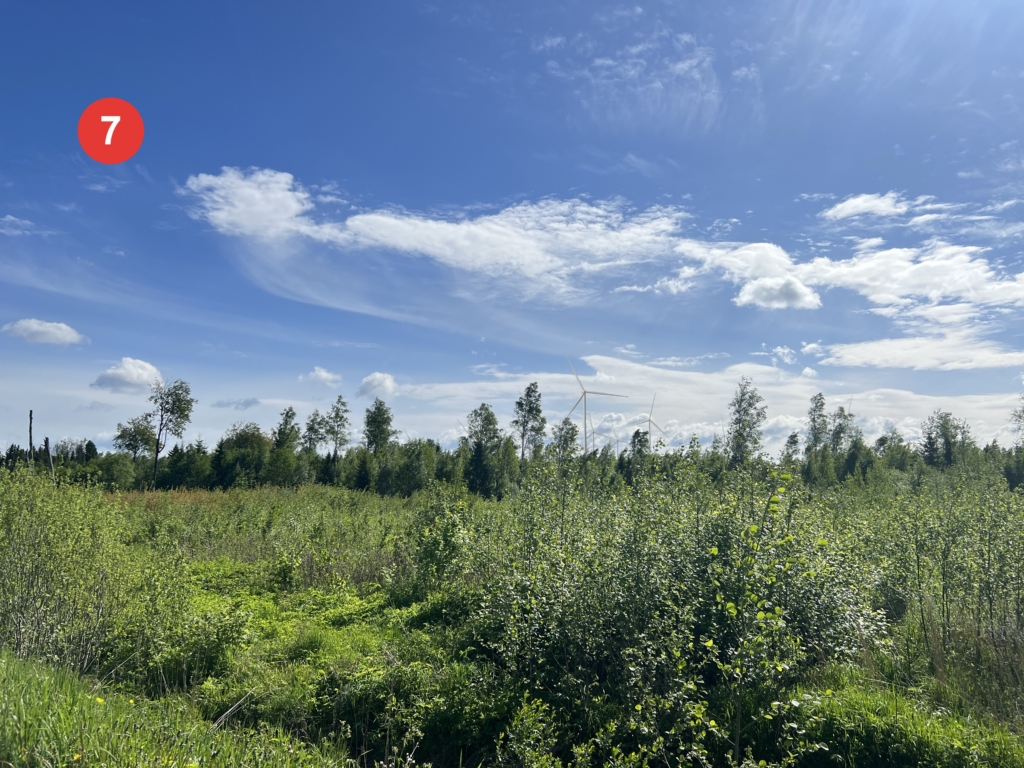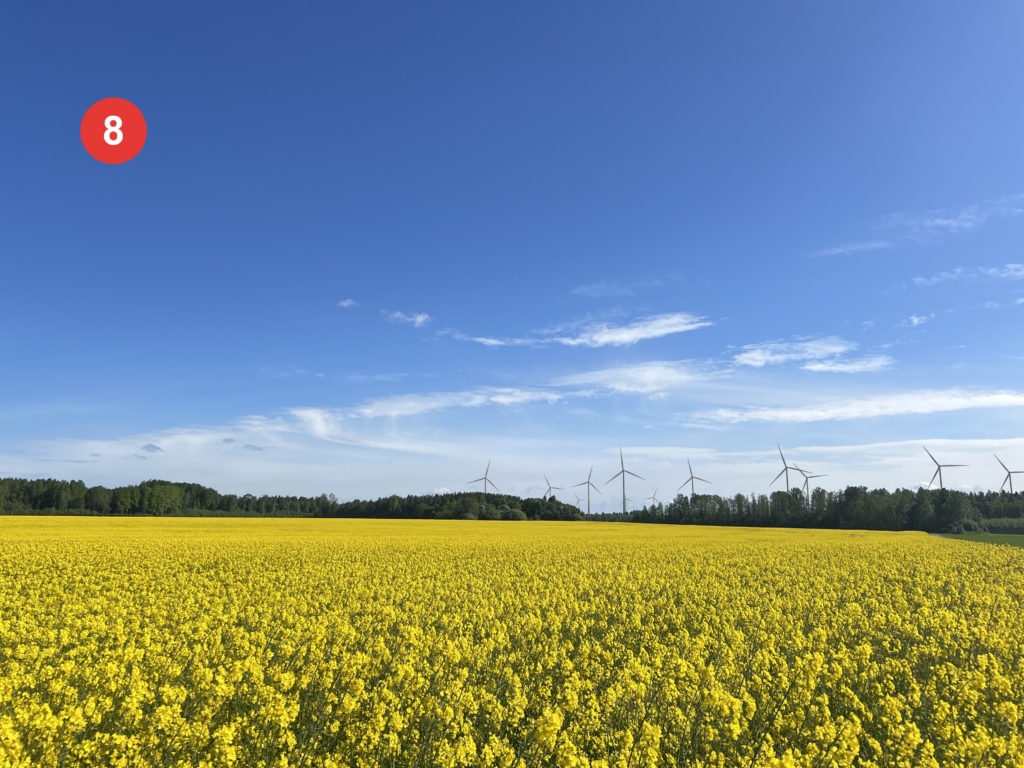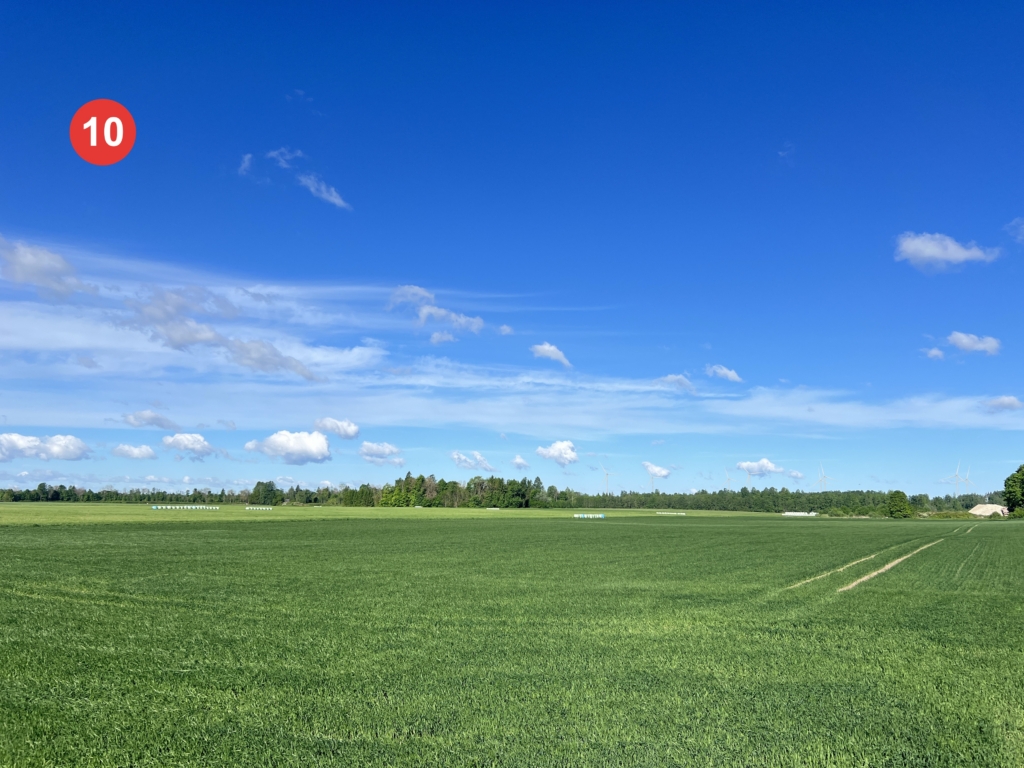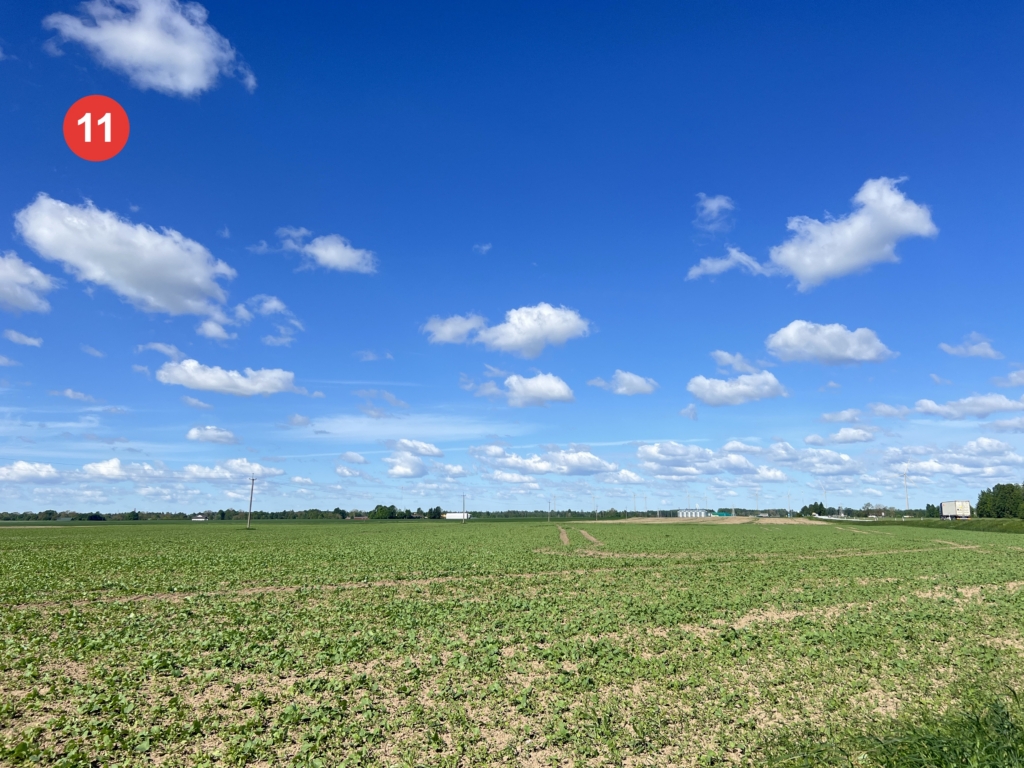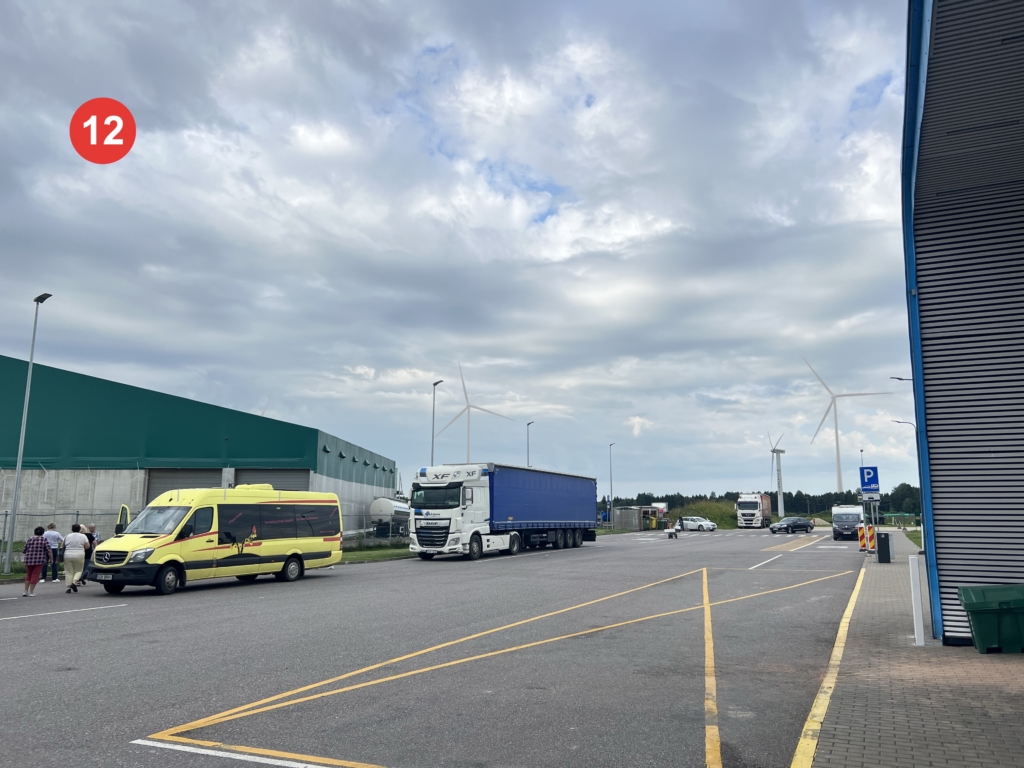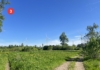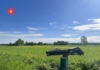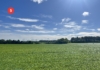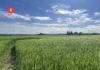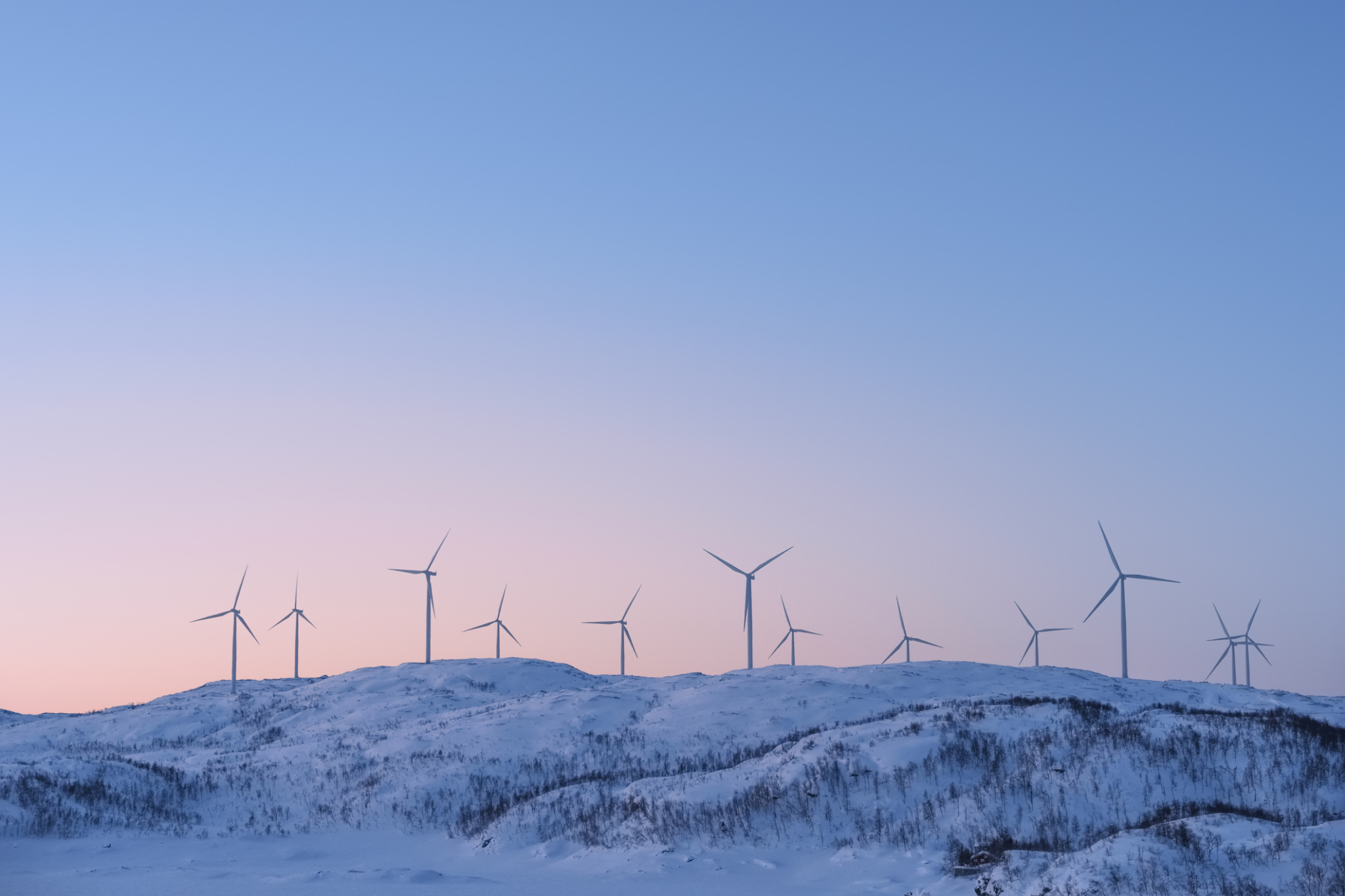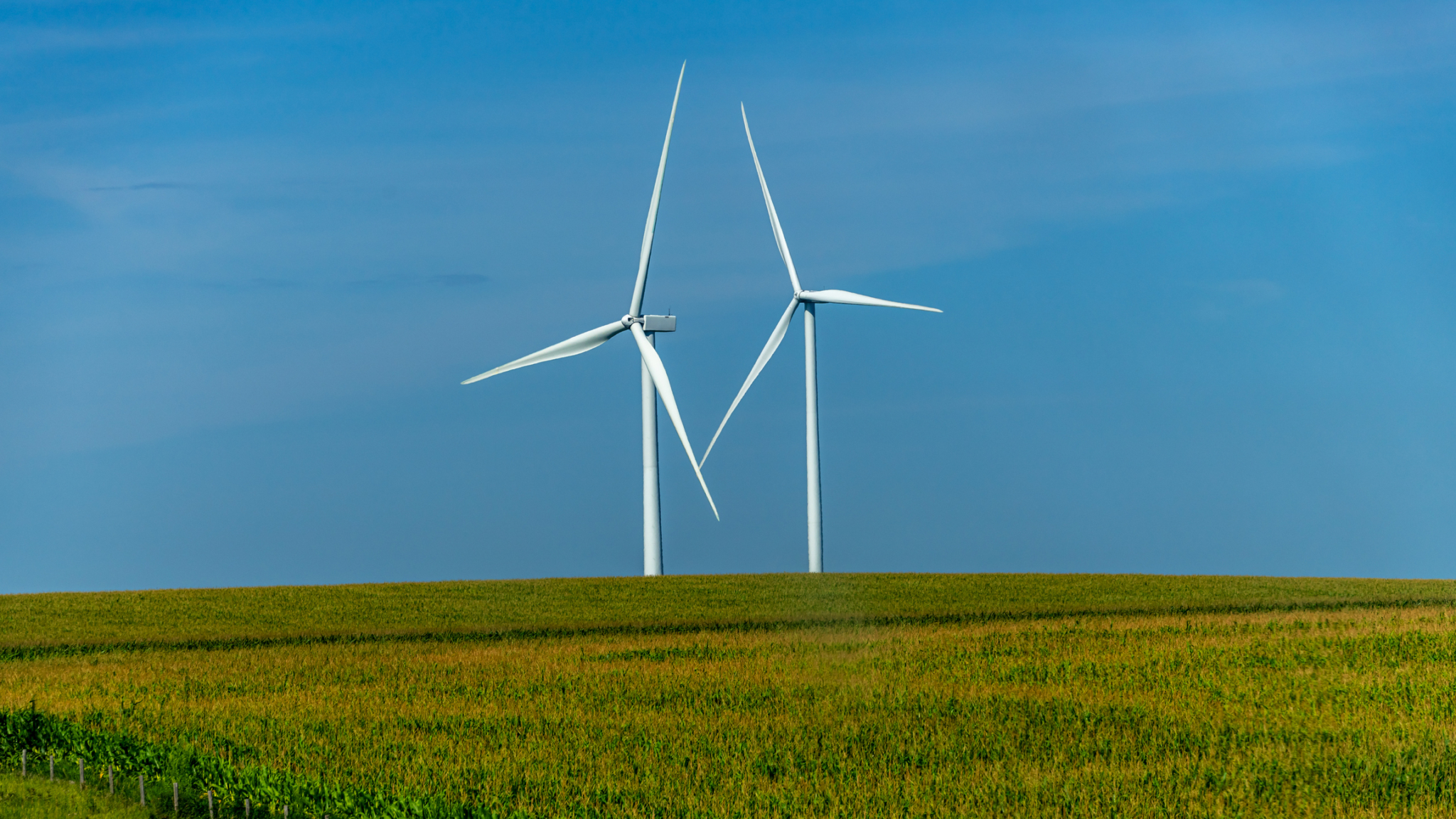
Imavere wind farm
Järva & Türi municipalities
-
Status
- In the planning phase
-
Location
- Järva Municipality & Türi Municipality
-
Height of turbines
- Up to 250m
-
Turbines
- Up to 12
-

Expected total production
- Ca 240 GWh/a
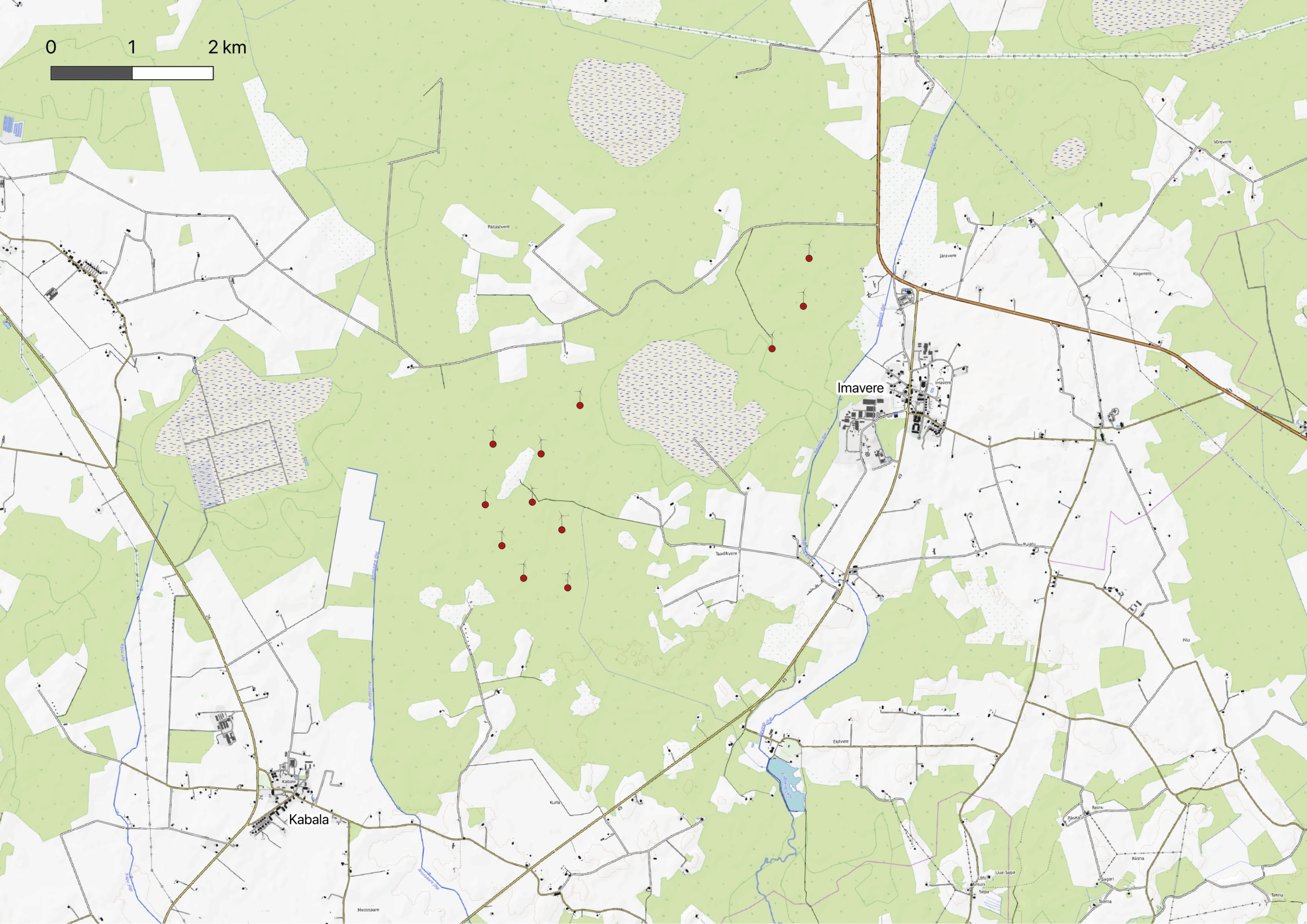
Imavere wind farm area
FAQ
Yes, local residents have both the right and the opportunity to participate in discussions held as part of the planning process and to express their views on the development of wind farms.
Vindr implements a multi-stage community engagement programme throughout the entire planning process. Our aim is to establish contact and develop and maintain meaningful dialogue both with residents living within the wind farm’s area of influence and with the wider community. Since the initiation of the planning process, we have also maintained close communication with local government officials and decision-makers.
Vindr’s engagement activities complement the mandatory procedural steps related to the disclosure of the plan arising from the law, including the public discussion of the Strategic Environmental Assessment (SEA) report and the public display of the plan.
Through these activities, we seek to provide the community with additional opportunities to participate both before the formal procedures begin and throughout their implementation.
Wind turbines are designed and constructed to withstand Estonia’s climatic conditions, including harsh and very cold winters.
Under winter conditions, there is a possibility that ice may accumulate on turbine blades and subsequently detach and fall. In Estonia, such conditions may occur on approximately 5–6 days per year. Ice fragments that form on rotating blades are generally small; however, in strong winds they may be thrown up to 100 metres perpendicular to the wind direction.
Wind turbines are equipped with sensors that detect ice accumulation and automatically shut down the turbine when necessary. This allows maintenance technicians to safely remove ice from the blades before the turbine resumes operation.
The risk of a wind turbine catching fire is relatively low. To minimise this risk, turbines are equipped with dedicated fire safety systems. Different turbine components are carefully insulated, and the external structure of the turbine is primarily made of non-combustible materials such as concrete and steel.
The wind farm’s road network provides good accessibility, ensuring a rapid and effective response to potential incidents. In addition, the turbines are monitored automatically around the clock, enabling the early detection of faults and malfunctions.
The nature of noise generated by wind turbines is similar to that of other environmental noise sources, such as road traffic or industrial activities.
Modern wind turbines are designed to be highly aerodynamic, and significant technological advances have been made to reduce noise emissions. Noise is generated primarily by the movement of the rotor blades through the air and by mechanical components within the turbine. The level of noise depends on the turbine model, while its propagation is influenced by natural sound barriers such as terrain features and vegetation. The World Health Organization (WHO) recommends that wind turbine noise should not exceed 45 dB (day-evening-night average sound level, Lden), as higher levels may cause sleep disturbance or annoyance for some individuals. Based on current scientific evidence, noise levels that remain within applicable health protection limits do not pose a risk to human health.
Developers are required to ensure compliance with prescribed noise limits when determining the exact location of wind turbines. Detailed analyses of predictive noise maps are carried out during the planning process. If operational monitoring identifies noise levels exceeding the permitted limits, the developer is required to take corrective measures, including shutting down the turbine if necessary.
A 2025 review of scientific literature conducted by researchers at the University of Tartu found that electromagnetic fields, vibration, and infrasound generated by wind turbines within regulatory limits have not been shown to have adverse effects on human health. To date, scientific studies have not established clear links between audible wind turbine noise (including low-frequency noise) and clinically significant health effects.
Source: “Health Effects of Wind Turbines: A Systematic Review of Studies Published in Peer-Reviewed Scientific Journals During the Last Fifteen Years” (University of Tartu, 2025).
Rotating wind turbine blades can cause shading together with sunlight. Shading from wind turbines depends mainly on weather conditions and the height of the wind turbine and can extend up to a few kilometers.
In the case of shading, moving shadows fall on the ground or buildings, causing visual disturbance, which is important to reduce. To this end, thorough assessments are prepared by experts and, if necessary, wind turbines are equipped with automatic shutdown devices – if the system detects a situation where excessive shadow flickering may occur, the operation of the wind turbine is stopped.
Thanks to thorough environmental impact assessments and applicable standards, potential disturbances from wind farms can be minimized.
The impact of wind farms on human health has been extensively studied. Numerous scientific studies to date have not found a link between health problems and noise (including auditory noise, low-frequency noise or infrasound) from wind turbines, shadow flicker or electromagnetic fields (EMF) from wind turbines. More information on health issues can be found on the Health Board website – Impact of wind farms on human health | Health Board.
It all depends on the number of turbines and the size of the wind farm. When building onshore wind farms, the total area can reach hundreds of hectares, but in reality only a small part is covered by the turbines and the infrastructure necessary for their operation. For example, in Estonia, the total area of onshore wind farms in 2022 was 1,002 hectares, but the area directly under the turbines made up only 62 hectares of this. Wind turbines must be placed in a dispersed manner to avoid a situation where one turbine “catches” the wind energy needed by another. Landowners can continue to use their land, for example in agriculture or forestry, if it is not directly in the immediate vicinity of the turbine.
In Denmark, it is also common practice to build wind farms on agricultural land, allowing landowners to continue agricultural activities between the turbines, proving that renewable energy and agriculture can successfully coexist and that land use can be diverse and efficient.
The construction of wind farms does not generally require extensive deforestation. If deforestation is required, it is mainly done to create transport corridors for the turbine sections, widen roads and prepare the foundation and construction site of the turbine. Our goal is to preserve as much natural vegetation as possible to support the resilience of ecosystems to environmental change. Such natural buffer zones also help to reduce potential noise or visual disturbances by creating distance between human activities and natural habitats.
On average, the area of deforestation required for the construction of one wind farm and its infrastructure is estimated to be around 2-3 hectares. This includes both the base of the turbine and access roads. The need for deforestation is assessed individually for each project, taking into account both the preservation of the natural environment and the technical needs of the wind farm.
The impact of wind farms on the natural environment has been thoroughly studied, and before each park is built, a thorough environmental impact assessment is carried out in accordance with the law (KMHKS). This process helps to analyze potential impacts and select locations where the impact on the natural environment is minimal.
There are strict restrictions on the construction of wind farms – for example, wind farms may not be planned in nature reserves or near the nesting sites of protected species. In addition, the probability of possible environmental impacts is predicted so that the developer can implement effective mitigation measures. The practices of foreign countries, including the Nordic countries, also prove that such an approach helps ensure more environmentally friendly planning and sustainable development.
In Estonia, particularly sensitive species are large birds with little maneuverability, such as mute swans, for which collisions with high-voltage lines near important migration routes have been observed during random observations. Such risks are mapped thoroughly in the planning process, highlighting important nesting and migration stops and movement routes. Such studies often identify regional species richness, which at the same time helps to better map the biodiversity of Estonia as a whole.
Environmental monitoring never ends with the completion of the wind farm. As part of the follow-up monitoring, what is happening in the vicinity of the wind farm is also monitored after it is launched in order to map the actual impacts and compare them with the initial forecasts. It often turns out that some of the expected impacts do not materialize, which provides valuable information for better planning of future projects and prevention of possible negative impacts. Such continuous monitoring and assessment of the situation helps to build wind farms taking into account the natural environment.
More information about the environmental impacts of wind farms can be found on the website of the Environmental Board – Renewable Energy FAQ | Environmental Portal
Information related to our wind farms can be found on our website: www.vindr.ee/tuulepargid
There is also a lot of valuable information on the websites of various municipalities – if a plan has been initiated in your home municipality, it could also be easily found on the municipality website. If you have any questions, you can always contact our team.
Viljandi Municipality Special Plans https://jarvavald.ee/keskkond-ehitus-ja-teed/arendus-ja-ehitus/eriplaneeringud/
Additional information about the impacts of wind farms can also be found: On the website of the Environmental Board – Renewable Energy FAQ.
Environmental Portal. On the website of the Health Board – Impact of Wind Farms on Human Health | Health Board.
Project Contact
Who are we?
VINDR IS LEADING THE WAY TOWARDS THE FUTURE OF WIND ENERGY IN THE NORDICS
Vindr is a Nordic renewable energy company committed to shaping the energy systems of the future. We develop wind and solar farms using the latest technologies and industry best practices, contributing to a secure and reliable energy supply.
At the core of our operations is responsible and sustainable energy production that creates long-term value for local people and communities. We believe that every project we develop should deliver lasting benefits and be sustainable from both an environmental and a local community perspective. Our goal is to ensure that our developments contribute positively to the regions in which they are located, both today and for generations to come.