Why wind?
Learn how wind energy benefits people, communities, and the planet.

The wind is one of the planet’s greatest natural resources. Abundant, renewable, and free.
It’s been powering ships, mills, and communities for thousands of years. Now it can power your home cleanly, affordably, and without ever running out.
Why wind matters
Wind already powers one in five European homes. That’s millions of people getting clean electricity every single day from a resource that never runs out and doesn’t pollute our air or water.
And it’s only getting bigger. By 2030, wind is set to become the world’s second-largest source of renewable electricity, right behind solar. But here’s what that actually means for communities: wind farms create local jobs, generate tax revenue that funds, i.e better schools, care homes and roads, and provide steady income for landowners through long-term lease agreements.
The turbines you see on the horizon aren’t just producing electricity, they’re supporting the infrastructure and services that make communities thrive.
Read more about wind as an energy source: WindEurope
Some key numbers
-
20%
Wind is now 20% of the electricity consumed in Europe.
-
1500
Households The average onshore wind turbine in the EU produces enough electricity each year to power over 1,500 households. That's an entire neighbourhood, every light, every laptop, every electric car charger - running on wind.
-
16.4 GW
In 2024, Europe installed 16.4 GW of new wind-power capacity, of which about 84 % (≈13.8 GW) was onshore.
Local wind, local benefits
Wind farms do more than generate clean electricity. They create opportunities, strengthen local economies, and build lasting partnerships. When we develop wind power, we're investing in the communities that host these projects, ensuring they share in the value created.
Infrastructure improvements
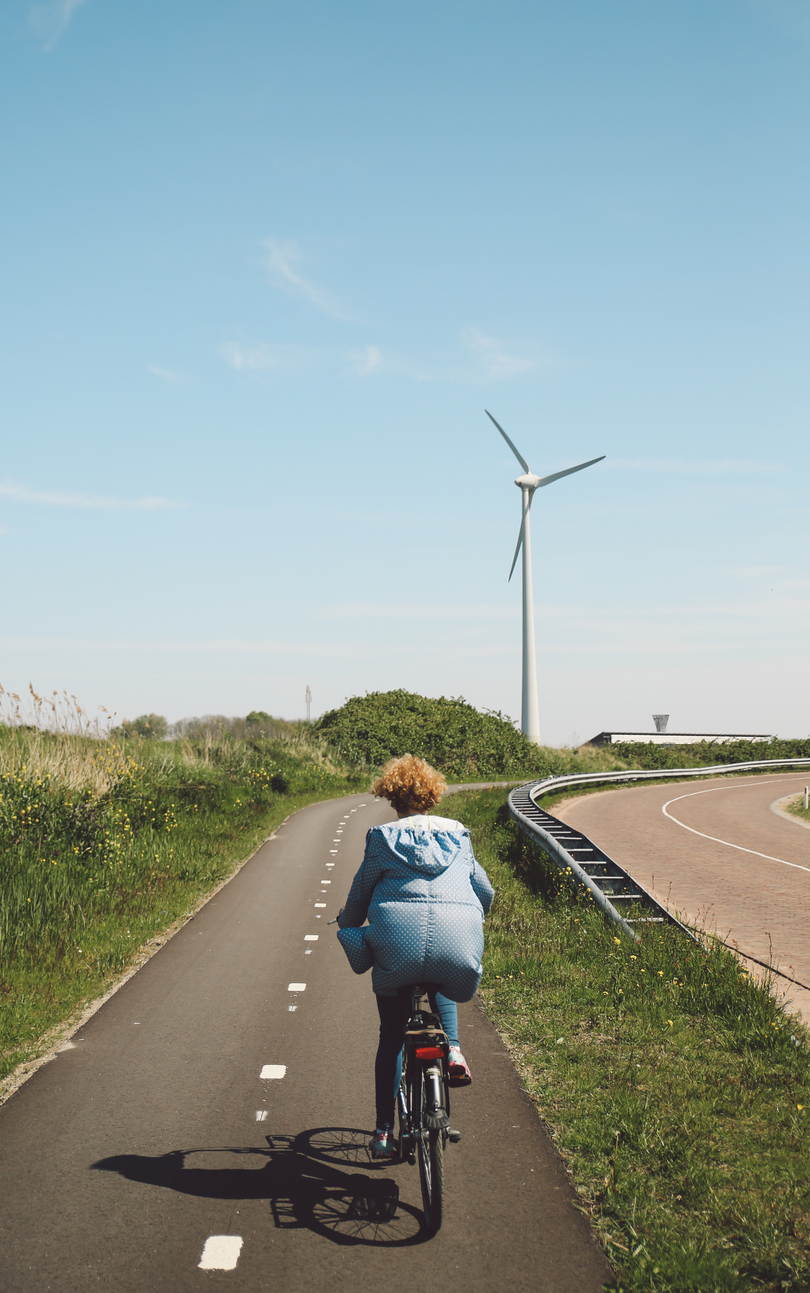
When a wind farm is built, the community gets more than turbines. Construction requires upgraded access roads, which remain long after the project is complete, benefiting farmers, emergency services, and anyone traveling through the area.
Grid infrastructure improvements increase reliability for all local users, not just the wind farm. In rural areas, projects often bring enhanced telecommunications infrastructure, closing digital connectivity gaps. And new roads and trails can open up previously inaccessible landscapes for hiking, cycling, and outdoor recreation, creating new opportunities for both residents and visitors.v
Economic impact
For landowners, wind farms provide long-term lease agreements that deliver stable, predictable income for 25-30 years. Revenue that can support family businesses, secure retirement, or fund the next generation's education.
Municipalities receive property tax revenue from wind installations, money that flows directly into local budgets to fund schools, road maintenance, healthcare facilities, and public services. And because wind farms require ongoing support, local businesses benefit too: construction firms, equipment suppliers, catering companies, transport services, and accommodation providers all see new contracts during development and throughout the project's lifetime. Many developers also establish community investment funds, giving residents a direct say in how project contributions support local initiatives.
Community investment
The relationship between a wind farm and its community extends well beyond electricity generation. Many projects include annual community benefit funds that support initiatives chosen by residents themselves. Whether that's upgrading sports facilities, funding cultural events, restoring historical sites, or improving public spaces.
Some developers offer co-ownership opportunities, allowing local residents to own shares in the project and benefit directly from its success.
Educational partnerships bring wind energy into schools through hands-on STEM programs, site visits, and learning resources. And sponsorship of local events, sports clubs, and community organizations helps strengthen the social fabric that makes a place feel like home.
Job creation
A wind farm brings hundreds of jobs during the construction phase, civil engineers, electricians, crane operators, logistics coordinators, and environmental specialists. Once operational, projects create long-term employment for turbine technicians, site managers, administrative staff, and safety personnel.
The ripple effect extends through the supply chain: manufacturing components, transporting equipment, providing maintenance services, and supporting the growing renewable energy sector. For young people in the region, this means access to training programs and apprenticeships in cutting-edge technology-skills that will be in demand for decades as the energy transition accelerates.
Energy security
Perhaps most importantly, local wind generation reduces dependence on distant power sources and vulnerable supply chains. Distributed energy production improves grid resilience. When one source faces challenges, others can compensate.
Long-term fixed-price electricity agreements protect against the kind of volatile market swings that sent energy bills soaring in recent years. And communities that host renewable energy projects aren't just adapting to the energy transition, they're leading it, positioning themselves at the forefront of the economy that's being built right now.
This is what we mean when we say wind farms invest in communities. It's not charity or compensation, it is a partnership.
Real benefits, shared over decades, with the people and places that make these projects possible.

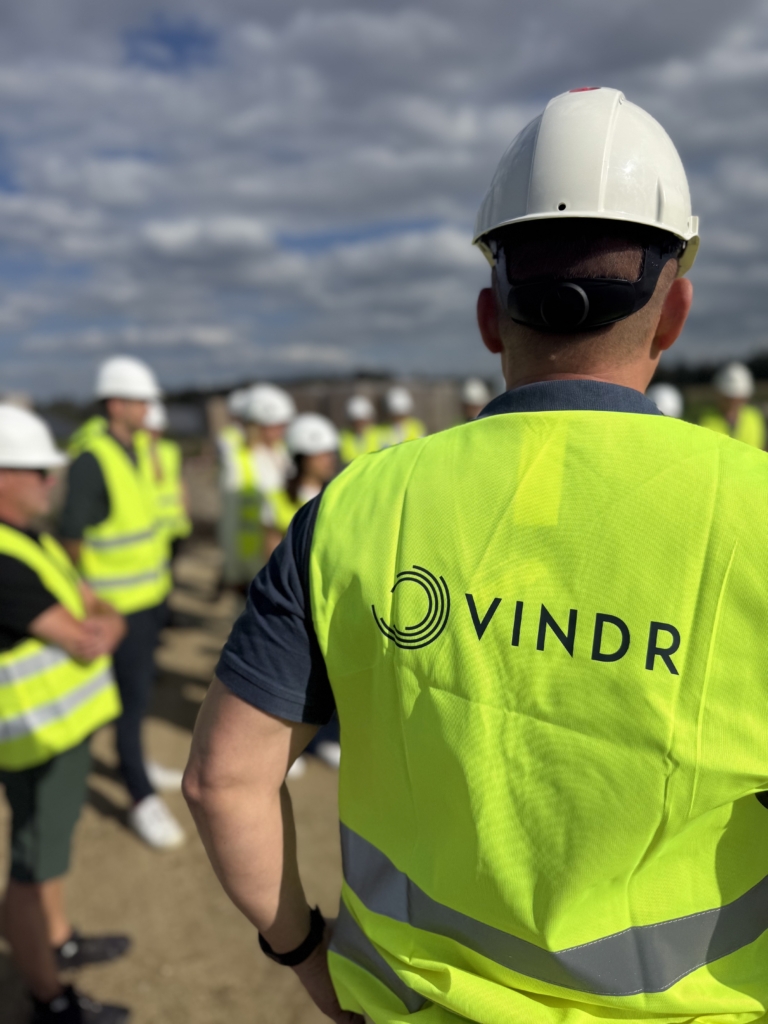




Developing a wind farm is a long and structured process that focuses on good planning, strong local involvement and responsible use of land and natural resources.
Every project is shaped by its surroundings, and the process can vary from one country to another depending on national regulations and local priorities.
Even with these differences, most wind projects follow a similar journey with a number of key stages that guide the development from early ideas to long term operation.
Early screening and mapping
The process begins with identifying areas that may be suitable for wind power. At Vindr, this work is carried out by experienced engineers and specialists who combine technical knowledge with a careful understanding of local conditions.
They assess wind resources, distance to the grid, land use, environmental sensitivities and existing infrastructure. Much of this early work is done through digital mapping tools and analyses, followed by field visits that help confirm whether the area has real potential for responsible development.
Local knowledge is an essential part of this phase. We speak with people who know the area well to understand details that may not appear on a map, such as seasonal use of land, nature considerations or practical challenges. These insights help ensure that planning is responsible, realistic and well grounded from the very beginning.
How does a typical wind power process work?
1
Early screening and mapping
Developers identify areas with good wind resources, grid access and suitable land use. Digital tools, mapping and early field visits help assess potential.
2
Dialogue with landowners and municipalities
Before anything moves forward, developers speak with municipalities, landowners and local communities to understand local priorities and share early plans.
3
Environmental and technical studies
Detailed assessments of noise, nature, birds and bats, landscape, roads and grid connection ensure the project is planned responsibly.
4
Project design and optimization
The number of turbines, placement, access roads and environmental measures are adjusted based on study results and local input.
5
Public consultation and permitting
Authorities review all documentation, and the public can provide feedback. Input from residents and stakeholders helps shape the final design.
6
Construction
Once approved, roads, foundations, cables and turbines are built. Construction typically lasts one to two years and creates significant local activity.
7
Operation for 20–30 years
The wind farm delivers renewable electricity to the grid for 20 to 30 years. Turbines are monitored continuously, and maintenance teams ensure safe operation.
8
Decommissioning or repowering
At the end of its life, the site is either restored or upgraded with newer technology. Most turbine materials are recyclable, and dedicated funds cover these costs.
Regulatory framework for wind projects in Norway
In Norway, wind projects follow a structured framework that gives municipalities a central role from the very beginning. A wind farm requires both planning clarification under the Planning and Building Act and a license under the Energy Act. The municipality is the responsible authority under the Planning and Building Act, while the Norwegian Water Resources and Energy Directorate (NVE) is responsible for the licensing process under the Energy Act.
Both laws were updated in 2023 to make it clear that the municipality leads the early stages of the process. Before a license application can be submitted, an impact assessment must be carried out. The municipality can decide to stop the project at several points along the way, both before the impact assessment starts and after the results are presented. This framework ensures that local considerations, planning quality and community involvement guide every step of the early development.
Municipality
NVE
Frequently asked questions about wind power
Wind power is one of the cleanest ways to generate electricity. Operating wind turbines do not emit greenhouse gases, air pollutants, or require water unlike fossil-fuel power plants.
In fact, wind energy already saves millions of tonnes of CO₂ every year in Europe. (WindEurope)
As electricity demand grows and we strive to meet climate goals, expanding wind energy helps reduce reliance on fossil fuels and supports a sustainable energy future. The growth of AI, datacentres, electrification of transport and industry, and the shift away from fossil fuels mean that countries will need far more clean energy than they produce today. To keep up, we need renewable power that can be built at scale and delivered in time. Wind energy plays a key role because it can be developed faster than most other large power sources. Modern wind farms typically take a few years from planning to operation, while nuclear power plants often require more than a decade before they deliver electricity.
Wind farm locations are selected through careful scientific assessment and early dialogue with the people who know the area best. Developers analyse wind resources, grid connection possibilities, land use, environmental sensitivities, wild life and infrastructure. Digital mapping tools and field visits help confirm whether an area is suitable for responsible development.
In Vindr we combine technical expertise with local knowledge from the very beginning. Our engineers and specialists use detailed analyses to understand the potential of a site, and we speak with landowners, residents and others who know the landscape well. This helps us ensure that planning is responsible, realistic and well grounded before any project moves forward.
Yes, wind energy is among the most environmentally friendly electricity sources. During operation, turbines don’t produce greenhouse gases, air pollutants, or consume water.
Also, over its lifecycle, a turbine typically “pays back” the emissions used to build it within a few months of operation. (WindEurope)
Regarding wildlife and habitats, careful site selection and environmental assessments help minimise impact. Wind farms can even co-exist with agriculture or other land use, and many sites become pollinator-friendly or otherwise supportive of biodiversity. (WindEurope). This is why environmental studies are important to find turbine placements, to guide developers and avoid sensitive habitats or important migration routes.
There are many examples of nature and wind power working side by side. In Scotland, turbines operate in open landscapes where sheep and cattle graze freely around the towers, showing that agriculture and wind power can function side by side. In Denmark, long-term monitoring has documented how many bird species adjust their flight paths when turbines are placed responsibly, reducing impact on local populations. In fact, a 2020 study at Klim Wind Farm in Denmark found that more than 99 % of migrating birds (such as pink-footed geese and cranes) avoided the turbine blades, even though thousands passed nearby daily. (Vattenfall)
Like any other mechanical system with moving parts, wind turbines produce sound when they operate. This sound comes mainly from the aerodynamic movement of the blades through the air. Modern turbines are designed to keep this noise as low as possible, and at typical distances from homes, the sound levels are comparable to everyday background noise.
Measuring turbine sound is very complex. Noise levels change with weather, wind speed, season, temperature, the shape of the landscape and even how vegetation absorbs or reflects sound. Background noise, such as wind in trees or waves, can also mask turbine sound entirely. People experience sound differently too, depending on age, hearing sensitivity and personal tolerance. Because of all these variables, there is no single number that describes turbine noise in every situation.
This is why wind farms must follow strict noise limits that are part of the early planning and environmental assessment process. In Norway, for example, the recommended limit is 45 dB (Lden) at the closest residences, and developers must document through detailed studies that the project can meet this threshold before it can move forward. Similar regulations exist across Europe, ensuring that wind farms are planned with noise protection as a core requirement.
Scientific research shows a consistent conclusion. When turbines are sited responsibly and operate within these noise limits, the risk of negative health effects is considered very low. There is no evidence that turbine noise causes chronic illness, hearing damage or other major health problems. A 2022 case-control study comparing people living near turbines to a control group found that higher turbine noise was linked to increased “noise annoyance,” but not to higher rates of major health complaints when levels remained below about 40 dB (Study)
However, some individuals may still experience annoyance or sleep disturbance, which is why good planning, transparent communication and careful siting are essential for any potential project.
When turbines reach the end of their life (commonly 20-30 years), there are two main options: lifetime extension or decommissioning/repowering. (WindEurope)
Many of the turbine’s parts, like steel, concrete foundations, nacelles and towers, are recyclable. According to recent industry data, up to 90 % of a wind turbine’s mass can be recycled using existing waste-management practices. (WindEurope)
The industry is working actively to improve recycling of harder-to-reuse parts (like rotor blades) and avoid landfilling. In fact, the European wind industry has committed to a self-imposed landfill ban for wind turbine blades effective as of 1 January 2026. Over the last years the industry has proactively developed new methods to reuse, repurpose, recycle, and recover decommissioned wind turbine blades.
If conditions are good, the site can be repowered with newer, more efficient turbines, making the project even more sustainable in the long run.
In Vindr, we take long-term responsibility seriously. For every project we develop, we establish a dedicated financial fund that is secured throughout the lifetime of the wind farm. This fund is specifically reserved for future decommissioning or repowering, ensuring that the full costs of end-of-life management are covered. This commitment is formalised in our contractual agreements.
A video was hidden because it requires all cookie categories to be accepted to view. Please click here to update your cookie preferences to watch this video.